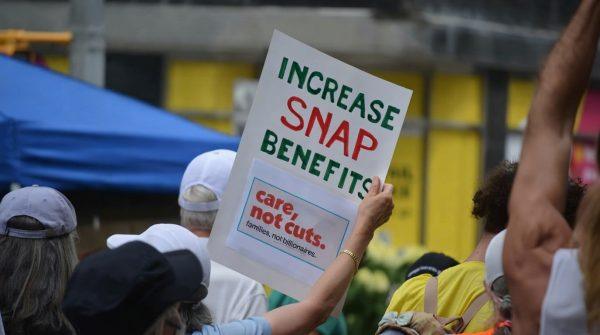
The Supplemental Nutrition Assistance Program (SNAP) is undergoing its most significant transformation in decades, and the impact is being felt across the United States. In just twelve months, the number of people receiving food assistance fell from 42.2 million to 36.6 million, a drop that has stunned policy analysts and community organizations alike. The change is not accidental: new federal and state regulations have tightened eligibility criteria, expanded work requirements, and introduced stricter verification processes that are reshaping who gets help and who doesn't.
For Latino families, who make up a substantial share of SNAP recipients in states like Texas, California, and Florida, the consequences are immediate and personal. Many are finding that even if they qualify, the paperwork and digital checks have become barriers they can't overcome. As one community organizer in Houston put it, "The system is now designed to filter people out, not to feed them."
Why the numbers are falling so fast
The most visible driver is the reinstatement and expansion of work requirements for adults without dependents. Under the new rules, able-bodied adults must prove they are working, in training, or volunteering for a certain number of hours each week. But the real bottleneck, according to the Center on Budget and Policy Priorities, is the administrative burden. States are now required to verify income, assets, and employment through electronic systems that often reject applications for minor discrepancies.
This has led to a wave of terminations that many advocates say are more about paperwork than actual ineligibility. "We're seeing people lose benefits because they missed a deadline or because a form wasn't filled out exactly right," said María González, a caseworker in Phoenix. "It's not that they don't need help—it's that the system is making it nearly impossible to stay enrolled."
The U.S. Department of Agriculture, which oversees SNAP, defends the changes as necessary for fiscal responsibility and to encourage self-sufficiency. But the human cost is visible in the numbers: Arizona saw a 55% reduction in its SNAP caseload, meaning over 400,000 people lost access. Georgia, Louisiana, and Nevada each reported declines of more than 20%, and Florida's drop was similarly steep, with state officials attributing it to "promoting self-sufficiency" and file reviews.
States hit hardest
- Arizona: 55% drop, over 400,000 fewer recipients.
- Georgia: More than 20% reduction in active beneficiaries.
- Louisiana and Nevada: Decreases exceeding 20%, reflecting new eligibility guidelines.
- Florida: Significant declines, linked to self-sufficiency initiatives and file reviews.
These reductions are not just statistics. They translate into longer lines at food banks and greater strain on local charities. Feeding America, a nationwide network of food banks, reports that demand has surged in the very states where SNAP rolls have shrunk. "We're seeing families who never needed us before," said a volunteer in Miami. "They're embarrassed, but they have no other option."
The situation is particularly acute for older adults and low-income workers, who often face the highest cost of living relative to their earnings. For many Latino seniors who rely on SNAP to supplement their pensions, the loss of benefits can mean choosing between medication and groceries.
What's next: more changes on the horizon
Looking ahead, the USDA is planning to implement even stricter electronic verification systems by October 2027, which will hold states financially accountable for payment errors. This could lead to even more aggressive terminations as states try to avoid penalties. Meanwhile, community organizations are calling for a more humane approach, urging officials to consider the real-world impact of these policies.
For now, the message from advocates is clear: if you or someone you know has lost SNAP benefits, it may be worth reapplying or appealing. Administrative errors are common, and many people are being dropped not because they are ineligible but because of technicalities. As one policy expert noted, "The system is broken, but that doesn't mean you should give up. There are still ways to get help."
For more on how these changes are affecting communities, see our coverage of Texas's $826 million SNAP penalty and the broader SNAP overhaul. And if you're in Miami, you might also be interested in small business loans and support programs that could offer some relief.
The road ahead is uncertain, but one thing is clear: the safety net that millions of Americans, including many Latinos, once relied on is shrinking. The question now is whether policymakers will listen to the communities most affected before it's too late.