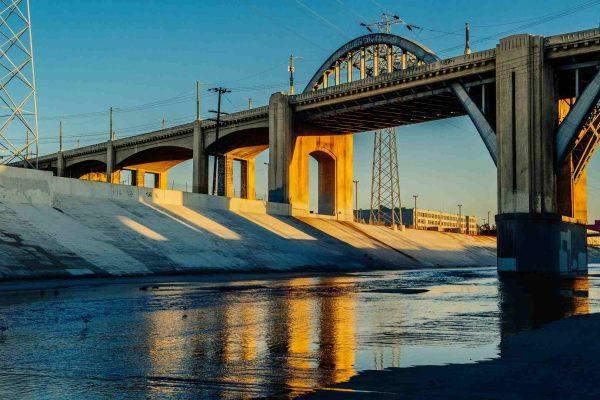
Los Angeles is one step closer to transforming a concrete-lined stretch of the LA River into a genuine community asset. The Glendale–Los Angeles Garden River Bridge project, a $31 million pedestrian and bicycle link, has secured key environmental approvals, moving it into the final design and construction phase. The bridge will connect the Glendale Narrows Riverwalk on the north side of the river to the LA River bike path and parklands on the south, offering a new gateway into Griffith Park.
A Bridge for Bicultural Angelenos
For the many Latino families who call Glendale and northeast Los Angeles home, this bridge means more than just a shortcut. It opens up Griffith Park—the largest urban park in the city—to a community that has long relied on public transit and walking. The structure, located near the intersection of Flower Street and Fairmont Avenue, will anchor the park’s northeast corner, making it easier for residents to access hiking trails, picnic areas, and cultural events without needing a car.
“This is about equity,” said a Glendale city planner during the council meeting. “We’re creating a safe, direct route for people who live in neighborhoods that have been historically cut off from the park by the river and its infrastructure.”
Environmental Clearance and Funding
The Glendale City Council adopted a mitigated negative declaration under the California Environmental Quality Act earlier this month, confirming that the project will not cause significant harm to the river ecosystem. This clears the way for engineering teams to finalize blueprints and begin construction. The timeline projects a formal opening in 2030, with work continuing in phases over the next several years.
Funding comes largely from California’s Proposition 68 parks bond program, which contributed $18.75 million. The remaining $12.25 million comes from local and state sources. This bridge is part of a broader push to revitalize the LA River corridor, following the North Atwater Bridge (completed in 2020) and the striking orange Taylor Yard Bridge near Frogtown, which opened in 2022 at a cost of $27.2 million.
Bigger Plans, Bigger Price Tags
While the Garden River Bridge is a significant step, it’s just one piece of a much larger puzzle. Downstream, a decade-long plan to close an 8-mile gap in the regional bike path has seen its estimated cost balloon to $1 billion. The river’s transformation is expensive, but for communities like Glendale and the surrounding Latino neighborhoods, the investment in walkable, bikeable infrastructure is long overdue.
For those planning to explore the area, check out our Essential Rules for Visiting Los Angeles in 2026: A Local's Guide for tips on navigating the city’s evolving landscape. And if you’re worried about costs, note that World Cup 2026 parking in Los Angeles hits $300, making pedestrian-friendly projects like this even more crucial.
What This Means for Latino Communities
For bicultural Angelenos, the LA River has often been a barrier—both physical and symbolic. This bridge is a small but meaningful step toward reclaiming public space. It’s also a reminder that infrastructure decisions can either divide or unite communities. As the city prepares for the 2028 Olympics and the 2026 World Cup, projects like this one signal a shift toward more inclusive urban planning.
“We’re not just building a bridge,” said a project spokesperson. “We’re building a connection between neighborhoods that have been separated for too long.”