For entrepreneurs across Miami-Dade, the path from idea to a thriving business just got a little clearer. The county has structured a comprehensive support system that bundles financing, free training, and public contracting opportunities under one roof. It's a deliberate move to keep up with the wave of new business registrations that have hit the county in recent years.
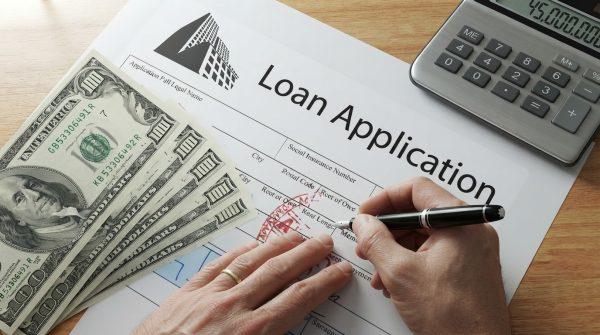
Manny Cid, deputy director of Small Business Development, describes the county's role as a strategic partner rather than just a regulator. Through initiatives like the RISE Miami-Dade Fund, small business owners can access loans of up to $75,000. But these aren't handed out lightly—applicants need to meet credit history requirements and show that they've thought through their business plan. As Cid notes, financial support demands rigorous planning to ensure commercial success.
More than just loans: training and procurement
Beyond direct lending, the county's Strategic Procurement Department is working to guide entrepreneurs from the initial spark to formal consolidation. The idea is that local businesses shouldn't just survive—they should be able to compete for public contracts and build long-term stability. That's why the support programs include mentorship, workshops, and digital tools that streamline the bureaucratic maze.
One standout is the SPED program, which offers debt forgiveness to businesses that create permanent jobs in vulnerable communities. Economic analysts suggest that this kind of incentive is key to making sure growth reaches the neighborhoods that need it most. For a small business owner in Hialeah or Homestead, that could mean the difference between just getting by and actually expanding.
The county is also pushing for better integration among municipalities and local agencies to cut down waiting times for commercial licenses. That's a big deal for anyone who's ever tried to open a restaurant in Little Havana or a retail shop in Doral—every month of delay is money lost. The goal is to get permits issued within optimal deadlines, so entrepreneurs can focus on serving customers instead of filling out forms.
Digital portals now unify permit applications and training sign-ups, making it easier to access services without duplicating paperwork. This is part of a broader effort to make government guidance a practical engine for business creation, not just a set of rules to follow. As officials emphasize, strategic planning is vital for consolidating the benefits of Miami-Dade's loan programs.
For those looking to dive deeper, the county regularly hosts informative workshops and one-on-one advisory sessions. These are designed to help entrepreneurs understand the fine print of each program and choose the one that fits their situation. Whether you're a food truck owner in Wynwood or a tech startup in the Design District, there's likely a resource tailored to your needs.
This push for small business support comes at a time when Miami's economic landscape is shifting. The influx of wealth and new development has raised the stakes for local entrepreneurs, as the ultra-rich keep flocking to Miami, changing the cost of doing business. At the same time, initiatives like Miami's new tiny home rules aim to address housing affordability, which indirectly affects the labor pool and consumer base for small businesses.
For Latino entrepreneurs, who make up a significant share of Miami-Dade's business community, these programs are especially relevant. Many come from countries where government support for small business is scarce, so the idea of a county that actively partners with you is a welcome change. It's a reminder that in Miami, the American Dream is often spoken in Spanish.
If you're ready to apply, the first step is to visit the county's small business portal and create an account. From there, you can browse available loans, check your eligibility, and sign up for upcoming workshops. The process is designed to be straightforward, but don't hesitate to reach out to the Small Business Development team if you have questions—they're there to help.
As the county continues to refine these programs, the message is clear: Miami-Dade wants its small businesses to thrive. With the right mix of capital, training, and government support, the next success story could be yours.