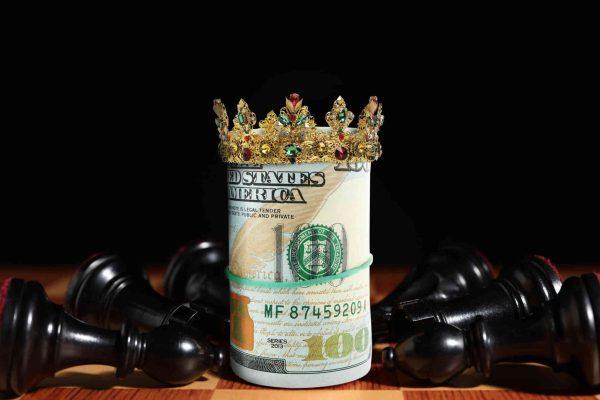
Forbes has released its 2026 ranking of the wealthiest families in the United States, and the numbers are staggering. The top 10 dynasties now hold a combined net worth of $1.9 trillion, a record that reflects not just financial success but also deep influence over industries that touch every household—including those in the Latino community.
The report identifies 54 multigenerational families with assets exceeding $10 billion, many of them now in their fourth or fifth generation. These clans have built empires across retail, energy, finance, and food, sectors where Latino families are both consumers and workers. Understanding who holds this power matters, especially as rising costs for everyday items like barbecue staples affect household budgets.
The Titans at the Top
The Walton family remains the undisputed leader, with a fortune of $520 billion built on the global retail giant Walmart. For many Latino families across the U.S., Walmart is a go-to for groceries, school supplies, and household goods, making this dynasty's reach particularly relevant.
The Koch family follows with $157 billion, anchored by a sprawling conglomerate in energy, chemicals, and manufacturing. Their influence extends to the pipelines and infrastructure that power homes and businesses from Texas to California.
The Mars family, with $129 billion, dominates the candy, snack, and pet food markets. Brands like M&M's, Snickers, and Pedigree are household names, often found in Latino kitchens and pantries.
The Johnson family, worth $69.5 billion, controls Fidelity Investments, a major player in the financial sector. For Latino families saving for college or retirement, Fidelity's funds are a common choice—especially as programs like New York City's $1,000 college savings boost encourage long-term planning.
Agribusiness and Beyond
The Cargill-MacMillan family holds $67.9 billion from Cargill, a global agribusiness giant that controls much of the world's grain, meat, and commodity trade. This directly impacts food prices and supply chains, from the corn used in tortillas to the chicken on a parrillada.
The Pritzker family, with $53.2 billion, has investments in hospitality, healthcare, and technology. Their Hyatt hotel chain is a familiar name for Latino travelers, while their philanthropic work often supports Latino-focused initiatives.
The Duncan family, worth $43 billion, built its wealth on energy infrastructure, including pipelines that transport oil and gas across the country. This sector is especially significant in states like Texas, where many Latino communities live and work.
Food, Cleaning, and Media
The Cathy family, with $40.2 billion, owns Chick-fil-A, a fast-food chain that has become a staple for many Latino families, especially in the South and Southwest. The chain's growth shows how family-run businesses can thrive in competitive markets.
The C. Johnson family, worth $39 billion, produces household cleaning products like Scrubbing Bubbles and Shout. These are everyday items in Latino homes, making this dynasty's influence quietly pervasive.
The Cox family closes the list with $38 billion, controlling a media and entertainment empire that includes cable, broadband, and automotive services. For Latino audiences, Cox's platforms often carry Spanish-language channels and local news.
These families have increased their fortunes by nearly $600 billion in just two years, driven largely by stock market gains. While the numbers are eye-popping, the real story is how these dynasties adapt to changing times—embracing digital transformation, sustainability, and shifting consumer habits. For Latino families, this means staying informed about who shapes the economy, from the political debates over birthright citizenship to the cost of living in cities like New York and Los Angeles.
As the U.S. economy evolves, these 10 families will continue to wield outsized influence. Their legacies are built on more than money—they represent a model of generational wealth that, for better or worse, affects the daily lives of millions of Latinos across the Americas.