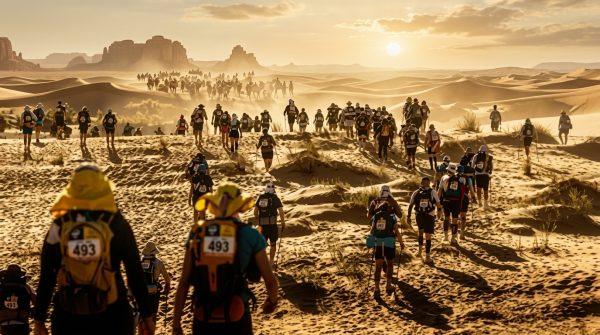
Southern Utah's rugged desert is known for its harsh beauty, but last weekend it turned unforgiving. A sudden storm, fueled by tropical moisture, slammed the region during the Moab 240 ultramarathon, leaving 70 runners and volunteers stranded overnight in freezing conditions. What began as a test of endurance became a fight for safety.
Storm hits the Moab 240
The race, a grueling 240-mile loop through some of the most remote terrain in the American Southwest, was halted just 40% of the way through. Torrential downpours transformed dry washes into raging streams, cutting off access routes and forcing organizers to issue an emergency cancellation. Runners at the Bridger Jack aid station, nestled within Bears Ears National Monument, suddenly found themselves sheltering in place as the storm raged around them.
Event staff quickly dispatched a relief truck loaded with tents, heaters, propane, hot food, and drinking water. Despite the sub-freezing temperatures and wind gusts that hit 82 km/h near Monticello, the stranded athletes kept their spirits up, according to organizers. "Our top priority was protecting everyone from hypothermia," said a race security leader. The National Weather Service had issued warnings of 50% to 90% precipitation probabilities, but the storm's intensity still caught many off guard.
Rescue under the desert sky
As night fell, local sheriff's deputies and race officials coordinated a rescue operation using all-terrain vehicles and school buses. The rugged landscape, with 6 to 8 miles of storm-battered trails separating runners from pickup zones, made the evacuation a slow and careful process. By Sunday afternoon, all 70 participants had been brought to safety, with no serious injuries reported. Red Cross volunteers and medical teams conducted health checks at base camp before runners headed home.
The storm system, which originated near Baja California, also brought heavy flooding to other western states. In Utah, several aid station structures suffered wind damage, prompting safety inspections before trails near Arches National Park could reopen. Organizers acknowledged the disappointment of canceling a race that had taken months of planning, but runners universally supported the decision. "Human life comes first," one competitor said. "The desert will still be here next year."
Lessons in resilience
For ultra-endurance athletes, such unexpected challenges are part of the sport's allure. Sports psychologists note that overcoming sudden environmental trauma requires strong peer support and structured debriefing. The Moab 240 incident underscores how climate shifts are testing even the most seasoned competitors and event planners. Enhanced preparedness, from better weather tracking to more robust emergency protocols, is becoming essential in remote wilderness races.
As the storm cleared, the desert returned to its quiet, stark beauty. But for the 70 runners who spent that night huddled together, the memory of the storm—and the teamwork that got them out—will linger far longer than any finish line. For more on how extreme weather is reshaping outdoor events, check out our coverage of tropical storm impacts and hurricane risks beyond the storm's path.