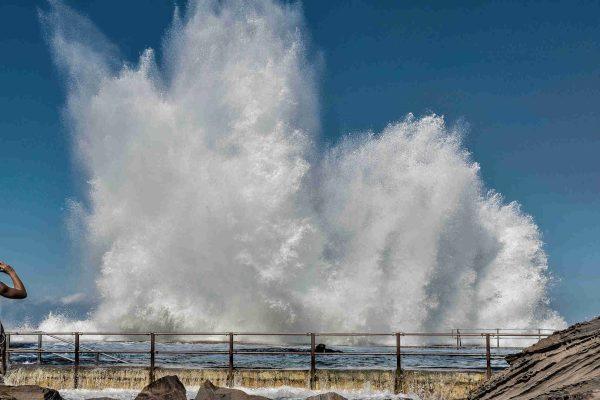
California's coastline is facing one of its most dangerous weekends in recent memory. The National Weather Service has issued an urgent advisory as a powerful El Niño drives waves up to 16 feet high, with sneaker waves and rip currents threatening anyone who ventures too close to the shore. From the cliffs of Big Sur to the boardwalks of the Bay Area, officials are pleading with residents and visitors to take the warnings seriously.
For the many Latino families who traditionally gather along the Pacific to enjoy the holiday weekend, this is not a time to test the ocean. The risks are real and potentially deadly. Even the strongest swimmers and most experienced surfers can be pulled out to sea in seconds by rip currents that form without warning. The National Weather Service's Bay Area office put it bluntly: "Never turn your back on the water."
What makes this swell so dangerous?
It's not just the height of the waves—it's the unpredictability. Sneaker waves can surge far up the sand, catching beachgoers off guard. Combined with rip currents that flow rapidly away from shore, these conditions create a perfect storm of hazards. The advisory stretches from near Cloverdale down to Big Sur, covering hundreds of miles of coastline, including popular spots like Santa Cruz, Monterey, and Half Moon Bay.
Authorities have banned access to piers, jetties, rocks, and any waterside infrastructure. A coastal flood advisory is also in effect for San Francisco, San Pablo, and Monterey bays, where high tides could push water into low-lying areas. This is not a day for a casual stroll along the water's edge or a photo op on a jetty.
For those who live in the Bay Area, where many Latino communities have deep ties to the coast, the message is especially important. Family outings to the beach are a cherished tradition, but this weekend, the safest place is inland. As one local official put it, "The ocean is not a playground right now."
The phenomenon is driven by a particularly strong El Niño that has been building in the Pacific. Oceanographers and climate researchers warn that sea levels could reach record highs, surpassing anything seen in the region's history. This isn't just a typical winter swell—it's a climate event with the potential to reshape the coastline.
For those who must be near the water, the golden rule is simple: never turn your back on the ocean. But even that may not be enough. The safest choice is to stay completely away from the shoreline until the warning is lifted, likely early next week.
This comes as California continues to grapple with the effects of a changing climate, from drying rivers to more intense weather patterns. The state has also been investing in tools like the AwareCA app to help residents track hazards, but no app can replace common sense when it comes to the ocean.
As the waves crash and the tides rise, the message from officials is clear: respect the power of the Pacific. This weekend, the beach will still be there tomorrow. Your life is worth more than a photo or a thrill.