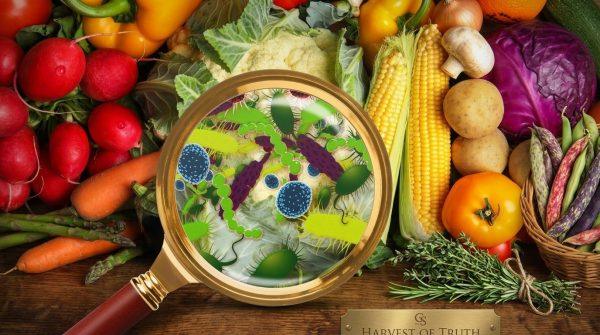
Health authorities across the United States are raising alarms as a Cyclospora cayetanensis outbreak continues to spread, with the CDC reporting more than 1,600 confirmed cases and over 5,100 investigations underway as of July 14, 2026. For Latino families who rely on fresh produce for daily meals—from cilantro in salsas to berries in postres—understanding which foods pose the highest risk is essential.
Why Cyclospora Is a Concern for Latino Households
Cyclospora is a microscopic parasite that causes intestinal illness, often linked to imported fresh produce. While anyone can get infected, the outbreak has hit states with large Latino populations, including New York, Texas, and Florida. The CDC is actively investigating the source, but the key message is clear: raw, unwashed, or minimally processed produce is the primary vehicle for this pathogen.
For many Latinos, fresh ingredients are the heart of the kitchen—cilantro, basil, lettuce, and berries appear in everything from tacos to ensaladas. But during this outbreak, experts urge a shift in how we handle these staples. As we reported in our Cyclosporiasis outbreak coverage, the parasite resists standard washing, making thermal treatment the only reliable defense.
Five High-Risk Foods to Avoid Right Now
Based on historical outbreak data and current CDC investigations, these five items carry the highest risk of Cyclospora contamination:
- Pre-packaged bagged salads: These are a recurring culprit in Cyclospora outbreaks. The multiple handling steps and lack of cooking make them a prime vector.
- Processed lettuce: Pre-cut or shredded lettuce has been linked to numerous cases. Opt for whole heads and remove the outer leaves before washing.
- Berries (especially raspberries): Their irregular surfaces trap parasites. Even thorough rinsing may not remove all cysts.
- Fresh herbs (cilantro, basil): Common in Latino cooking, these herbs caused infections in previous outbreaks. Cook them thoroughly or avoid raw use.
- Snow peas: Often eaten raw, their porous texture makes cleaning difficult. Steam or boil them before eating.
For more details on how to handle produce safely, check our guide on how to safely handle fresh produce during this outbreak.
Safer Alternatives for Your Kitchen
Fortunately, not all fresh foods are off-limits. Experts recommend these low-risk options:
- Bananas: Their thick peel protects the fruit inside. Just wash the peel before cutting.
- Whole melons: A firm rind acts as a barrier. Wash the exterior thoroughly before slicing.
- Avocados: The tough skin keeps the flesh safe. Again, wash before cutting.
- Canned vegetables: Industrial thermal processing eliminates Cyclospora. Stock up on canned corn, beans, and tomatoes.
Cooking remains the gold standard. Heating produce to 70°C (158°F) for at least one minute kills the parasite. This means steaming, boiling, or roasting vegetables before eating them raw is a smart move. For families in New York, where cases are surging, our New York Cyclospora guide offers localized advice.
Practical Tips for Every Kitchen
Beyond avoiding high-risk foods, adopt these habits:
- Wash all produce under running water, even if you plan to peel it.
- Use separate cutting boards for raw meat and produce.
- Refrigerate leftovers promptly.
- When in doubt, cook it out.
The CDC continues to monitor the outbreak, but until the source is identified, caution is key. For the latest updates, follow our CDC investigation coverage.