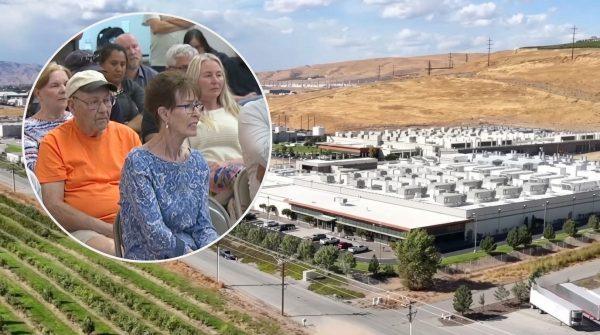
In a move that has left many in Boulder City, Nevada, feeling sidelined, federal authorities recently approved a massive data center project in the Eldorado Valley—without the public consultation that residents and local officials say should have been standard procedure. The decision, which came as a surprise to the community, has triggered a swift and unified backlash.
The project, tied to the developer Townsite Solar 2, was originally conceived as a solar energy site. But the new approval transforms it into a large-scale server complex, a shift that critics argue fundamentally changes the nature and impact of the development. The City Council voted unanimously to appeal the federal decision, with City Attorney Brittany Walker preparing the legal documentation to challenge the approval in federal court.
Why the Community Is Fighting Back
Residents have voiced a range of concerns, from noise and heat emissions to the strain on local resources. The data center's high electricity demands threaten Nevada's 2030 clean energy goals, as the facility would likely rely on natural gas plants. Water usage is another flashpoint: the region already bans evaporative cooling, but the alternative cooling systems required for server farms demand even more power.
During a public meeting on July 14, 2026, community members made their opposition clear. Experts have also warned that the development could lower property values in the area. Council members dismissed the federal decision as technically flawed, arguing that the original solar site design was never intended to support the operational demands of a data center.
This isn't just a local issue—it's part of a broader conversation about how tech infrastructure is reshaping communities across the American West. In New York, for instance, officials have halted large data centers to protect residents from rising electricity costs, a move that echoes the concerns Boulder City residents are raising now.
What Comes Next: Options and Measures
The City Council is exploring several avenues to regain control over land use in the Eldorado Valley:
- Municipal moratorium: A temporary halt on new digital infrastructure proposals, following a precedent set in Reno, while the state develops stricter regulations.
- Public referendum: Voters will decide in November whether server farms are an acceptable use of land in the valley, a direct democratic test of the community's will.
- Zoning policy revisions: Environmental experts are working with the city to craft policies that prioritize resource conservation and prevent outside entities from bypassing local controls.
These measures reflect a growing determination among residents and officials to ensure that future development respects local input and environmental standards. The partnership between the community and local government shows that a shared vision for preservation is possible, even in the face of rapid technological expansion.
The developer, Townsite Solar 2, has signaled a willingness to explore collaborative pathways, including potential re-negotiations that could involve compensation for lost municipal revenue. But for many in Boulder City, trust has been broken, and the fight is far from over.
As the appeal moves forward, the outcome will set a significant benchmark for the rest of the Eldorado Valley. It will also serve as a case study for other communities grappling with the tension between tech development and local autonomy. For now, Boulder City residents are keeping a close watch on the site, documenting every irregular activity, and preparing for a legal battle that could redefine how data centers are approved in the region.