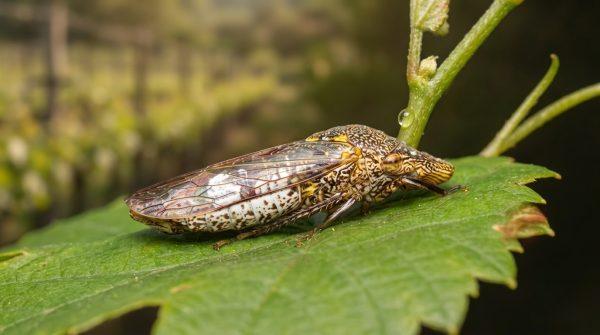
California is on high alert after state regulators confirmed the presence of the glassy-winged sharpshooter, an invasive insect that poses a serious threat to the state's agricultural backbone. The pest, detected in 24 counties since July 2026, has triggered an urgent recall of ornamental plants sold at major retailers like Costco. Consumers who bought vines between April and May, or desert willows from late June through early July, are being asked to isolate those plants immediately.
Why This Insect Matters for California's Latino Communities
For many Latino families in California, gardening is more than a hobby—it's a connection to the land and a tradition passed down through generations. But this pest isn't just a nuisance in backyard gardens. The glassy-winged sharpshooter transmits Xylella fastidiosa, a bacterium that causes Pierce's disease, which clogs the vascular systems of plants and leads to wilting, leaf drop, and eventual death. Since California produces over 90% of the nation's wine grapes, the economic stakes are enormous. The state's wine industry, which employs thousands of Latino workers in the Central Valley and coastal regions, could face devastating losses if the pest establishes permanent colonies.
Authorities are urging homeowners to keep any suspect plants in their original containers, completely isolated from other vegetation. Do not handle, move, or attempt to compost them. Instead, contact your local county agricultural commissioner's office to arrange for safe collection. Returning the plants to the store is not recommended, as that could spread the pest further.
Coordinated Response Across Affected Counties
State agencies are working closely with retail chains to identify contaminated batches and facilitate secure, no-cost pickups. The goal is to prevent the insect from moving from residential gardens into rural areas where it could find ideal conditions for rapid reproduction. In counties like Santa Clara, Alameda, and Napa—home to many Latino farmworkers and vineyard laborers—agricultural services are asking residents to report any suspicious findings. The speed of the response is critical; a similar lack of oversight in the 1990s led to millions of dollars in damages.
For Latino families who may be concerned about the cost or logistics of this recall, it's important to note that the collection is free. The state has also set up a verification system to check if your purchase falls within the specific sales windows identified by the Department of Agriculture. This is a community effort to protect not just the wine industry, but also the local ecosystems that sustain us.
If you're looking for ways to stay safe and informed, consider reading about California's $11.25 Billion Housing Plan: What It Means for Latino Families or Nearly 20 Million Californians Live Near Active Fault Lines: What You Need to Know. These stories highlight how state policies and environmental risks directly affect our communities.
What You Need to Do Right Now
- Keep the plant in its original container, isolated from all other plants.
- Do not handle, plant, move, or compost any suspected specimens.
- Contact your local county agricultural commissioner's office to coordinate safe collection.
- Follow official disposal instructions—do not return plants to the store.
- Verify if your purchase was made during the specific sales windows identified by the Department of Agriculture.
The glassy-winged sharpshooter thrives in warmer months, which complicates eradication efforts. State agencies are intensifying their monitoring and collection logistics to ensure that infestation hotspots don't become permanent. This incident shows how a single invasive species can reshape consumer priorities and transform surveillance standards in the retail market. For Latino families who rely on California's agricultural economy—whether as workers, business owners, or home gardeners—staying vigilant is key to protecting our shared future.
For more resources on environmental safety and community health, check out California Utility Aid: Up to $1,800 for Overdue Bills – Apply Now and Free IRS Tax Help for Immigrants: Who Qualifies and How It Works in Texas, Florida, and California.