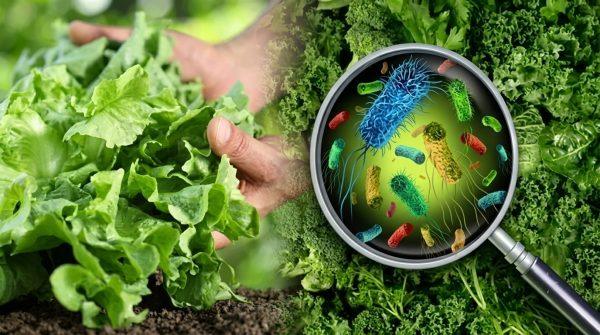
New York health authorities are tracking a significant rise in Cyclospora infections, with 394 cases reported since May. The majority are concentrated in New York City, prompting renewed attention to how we handle fresh produce at home. Unlike some foodborne illnesses, Cyclospora does not spread from person to person—it comes from contaminated water or produce, making kitchen hygiene our best defense.
What Is Cyclospora and Why Is It Spiking Now?
Cyclospora cayetanensis is a microscopic parasite that thrives in warm weather. It causes an intestinal infection with symptoms like watery diarrhea, nausea, weight loss, and low-grade fever, appearing two to fourteen days after exposure. Without treatment, the illness can last over a month. The CDC has not identified a single source or distributor for this outbreak, which means vigilance at home is critical.
For Latino families who love cooking with fresh cilantro, basil, scallions, and leafy greens, this is a reminder to double-check our routines. Many of us grew up washing produce with care, but Cyclospora requires extra steps because it clings to surfaces and resists simple rinsing.
Practical Steps to Protect Your Kitchen
Health experts recommend specific actions when buying and preparing high-risk items. Here’s what to keep in mind:
- Choose whole heads of lettuce over pre-washed bagged mixes. Discard the outer leaves before washing.
- Wash each item under running water, gently scrubbing the surface. This helps remove microscopic residue.
- Cook whenever possible. Heat kills the parasite more effectively than washing alone. For example, cook raspberries into jams or baked goods, and sauté snow peas rather than eating them raw.
- Separate cilantro and basil leaves to rinse them thoroughly. Their crevices can hide the parasite.
- Remove the outer layer of scallions and trim the roots. Keep your cutting board and counter free of cross-contamination.
These steps may seem small, but they can make a big difference. As we’ve reported before, Cyclospora outbreaks often hit communities that rely on fresh produce for daily meals.
When to See a Doctor
If you experience persistent diarrhea, nausea, or abdominal bloating after eating raw produce, visit a healthcare provider. Antibiotics can shorten the infection, which otherwise might drag on for weeks. Don’t wait—early treatment is key.
This outbreak is a reminder that our kitchens are the first line of defense. By adopting these habits, we protect not just ourselves but our families and neighbors. For more on how to stay safe this summer, check out our guide on the CDC’s investigation into contaminated produce across 17 states.
Stay informed, stay safe, and keep cooking with confidence.