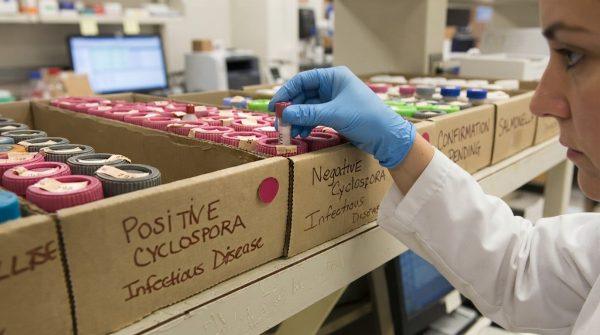
Health authorities across the United States are ramping up efforts to contain a Cyclospora outbreak that has already sickened more than 145 people since the beginning of May. New York has emerged as the epicenter, with cases also reported in 15 other states. For Latino families who often rely on fresh fruits and vegetables in their daily cooking, understanding this parasite and how to avoid it is more important than ever.
What Is Cyclospora and How Does It Spread?
Cyclospora is a microscopic parasite that infects the digestive tract when someone consumes contaminated food or water. Unlike some other foodborne illnesses, it doesn't spread directly from person to person. Instead, the parasite needs time outside the body to become infectious, which is why contaminated produce—especially fresh fruits and vegetables—is the most common culprit. The CDC and state health departments are now investigating the supply chain of fresh produce to pinpoint the exact source.
Because most of those infected have no recent travel history, officials believe the contamination happened domestically, likely during harvest or processing. This makes it a concern for every household, whether you're shopping at a local market in Queens or a tienda in Los Angeles.
Symptoms You Shouldn't Ignore
The incubation period for Cyclospora can range from two to over 14 days, which makes early diagnosis tricky. Symptoms include watery diarrhea, persistent fatigue, abdominal cramps, and sometimes nausea. What's particularly tricky is that symptoms can come and go—diarrhea may disappear temporarily, but fatigue often lingers if the infection isn't treated properly.
Health experts stress that anyone experiencing these symptoms for more than 48 hours should seek medical attention. Avoid relying on home remedies that lack scientific backing; only a proper diagnosis and treatment can fully eliminate the parasite.
Prevention Tips for Your Kitchen
While the investigation continues, there are practical steps you can take to reduce risk. The CDC recommends thoroughly washing all fresh fruits and vegetables with potable water before eating them, regardless of where you bought them. Cooking produce whenever possible is also effective, as heat kills the parasite.
Regularly disinfect kitchen surfaces and utensils used to prepare vegetables, and wash your hands with soap and warm water after grocery shopping. If you're eating out, consider avoiding raw salads or uncooked vegetable dishes at establishments that don't display updated hygiene certifications.
For Latino families who enjoy dishes like ceviche, pico de gallo, or fresh salsas, it's especially important to wash ingredients like cilantro, tomatoes, and peppers thoroughly. These items are often eaten raw and can be a vehicle for contamination if not handled properly.
What Authorities Are Doing
Federal and state agencies are working together to trace the contaminated produce back to its source. They're analyzing specific lots at retail stores and requiring distributors to provide full transparency about the origin of their merchandise. Rapid diagnostic tests are being implemented in public health centers to ensure timely treatment.
This coordinated effort is crucial for preventing further cases. As the investigation unfolds, officials are also launching awareness campaigns about proper food handling and hygiene, especially in communities where fresh produce is a staple of daily meals.
For more on how public health challenges affect Latino communities, read our coverage on Measles Surge in the US: What Latinos Need to Know About the Outbreak and World Cup 2026: US Public Health Gaps Raise Alarm Amid Measles and MERS Risks.
Ultimately, the success of containing this outbreak depends on a combination of government oversight and individual vigilance. By staying informed and following recommended precautions, you can help protect your family and your community.