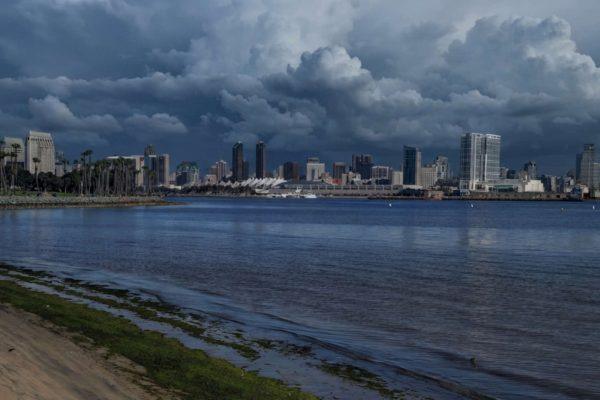
California's coastline is bracing for a powerful Super El Niño that scientists say could bring a triple threat: severe beach erosion, sudden cliff collapses, and historic coastal flooding. The phenomenon, which is expected to intensify in the coming months, has put communities from San Diego to Malibu on high alert.
A dangerous convergence for the Golden State
According to researchers at the Scripps Institution of Oceanography in San Diego, the combination of storm surges, rising sea levels, and unusually strong waves could permanently alter the state's iconic shoreline. The ocean's forces are projected to raise water levels by six to thirteen inches, a significant jump that would accelerate the wear on beaches and cliffs.
Adam Young, a researcher at Scripps, warns that the intensified conditions act as an "implacable accelerator" of erosion, exponentially increasing the risk of structural collapses near the sea. This is not just about losing a few feet of sand; it's about the safety of homes, roads, and public spaces that have defined California's coastal identity for generations.
For Latino communities along the coast, many of whom have deep ties to these areas—whether through family history, small businesses, or cultural events—the stakes are personal. The changing shoreline threatens not only property but also the very places where families gather, surf, and celebrate.
San Diego's iconic spots under threat
Dozens of locations along the San Diego coast are particularly vulnerable. From the cliffs of La Jolla to the sandy stretches of Imperial Beach, the triple threat could reshape these beloved landscapes. Local officials have begun coordinating inspections and safety protocols, but the scale of the challenge is unprecedented.
Residents are being urged to stay informed about high tide advisories, avoid unstable cliffs, and respect beach access restrictions. These measures, while necessary, are only a stopgap. The long-term outlook demands a rethinking of how California manages its coastline in an era of climate change.
This isn't the first time El Niño has tested the state. Earlier this year, El Niño supercharged Hurricane Polo's explosive growth in the Pacific, a reminder of how these weather patterns can amplify risks. And just last month, Hurricane Polo's California threat highlighted coastal risks beyond the storm's path.
Prevention and adaptation in the face of rising seas
As the Super El Niño approaches, authorities are focusing on both immediate safety and long-term adaptation. The state has invested in coastal resilience projects, but the pace of change may outstrip these efforts. For homeowners, especially those in vulnerable areas, the advice is to prepare now. California homeowners brace for El Niño with essential prep steps, from sandbagging to securing permits for seawalls.
But beyond individual actions, there's a collective responsibility. The triple threat is a stark reminder that climate change is not a distant threat—it's here, reshaping the places we call home. For Latinos, who make up a significant portion of California's population, this is a shared challenge that requires community solidarity.
In the meantime, scientists continue to monitor the phenomenon closely. The coming months will test California's resilience, but also its ability to adapt. The coast we know today may not be the coast we leave for future generations, but with proactive measures, we can mitigate the worst of what Super El Niño has in store.