The World Health Organization has taken the unprecedented step of classifying the current El Niño as a Grade 3 health emergency, the highest level in its response framework. This decision, announced during the COP31 climate summit in November 2026, marks the first time a weather event has triggered such a global health alert. The move reflects growing fears that the climate phenomenon, which is releasing massive amounts of heat stored in the oceans, will push 2026 into the top four warmest years on record.
Celeste Saulo, Secretary-General of the World Meteorological Organization, warned that this El Niño cycle is redefining our planet's thermal limits. 'We are seeing energy that has been locked in the oceans for decades being released into the atmosphere,' she said. 'This is not just a weather event; it is a public health emergency.'
Deadly Heat and Disease Outbreaks
Medical projections are stark: super El Niño events could lead to more than 100,000 excess heat-related deaths globally. This figure surpasses the 50,000 deaths recorded across European cities during the summer of 2026, a tragedy that already strained health systems. The WHO's Grade 3 Strategic Preparedness Plan aims to mobilize resources to protect essential health services, particularly against the spread of cholera, malaria, and dengue. In the Americas, the Pan American Health Organization has identified serious risks of drought, wildfires, and heat stress across the Caribbean, northern South America, and the Amazon Basin.
Meanwhile, increased torrential rains are expected to trigger flooding and landslides in Ecuador, northern Peru, western Colombia, southern Brazil, Paraguay, Argentina, and the southern United States. These conditions are a breeding ground for vector-borne diseases, as seen in Florida's worst dengue outbreak since 1930, which has already prompted emergency measures.
Food Insecurity and Humanitarian Crisis
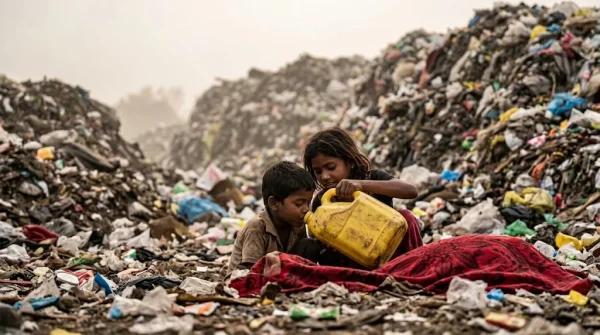
The health emergency is compounded by a looming food crisis. Tom Fletcher, the UN Emergency Relief Coordinator, warned that over 50 million people are at risk of severe hunger as extreme droughts, devastating floods, and economic shocks intensify. 'We are facing a humanitarian catastrophe that requires immediate international mobilization,' he said. 'Bureaucracy cannot delay our response.'
In Latin America, the impacts are already visible. From the Andean highlands to the Southern Cone, farmers are struggling with erratic weather patterns. In Central America's Dry Corridor, prolonged drought threatens staple crops, while in the Amazon, wildfires are destroying vital ecosystems. The region's vulnerability is a stark reminder that climate change does not respect borders.
Call for Urgent Action
Scientists and health experts are urging governments to declare a Public Health Emergency of International Concern, arguing that the current response is too slow. 'Every day of delay costs lives,' said one epidemiologist. 'We need a coordinated, global effort to protect the most vulnerable.'
The WHO's Grade 3 activation is a step in the right direction, but it is not enough. Climate summit negotiations have underscored the imperative to cut global emissions to prevent future catastrophic events. As the world watches, the question remains: will leaders act with the urgency this crisis demands?
For Latinos across the Americas and the diaspora, this is not a distant threat. It is a reality that is already reshaping our communities, our health, and our future. The time to act is now.