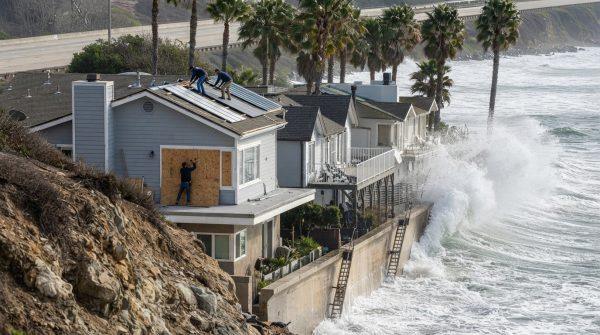
As the Pacific warms and weather patterns shift, California is staring down a winter that could bring some of the heaviest rain and wind in decades. The National Oceanic and Atmospheric Administration puts the odds of a strong El Niño at 75%, and state and local officials are already urging residents to prepare. For homeowners across the state, especially in Southern California, that means taking a hard look at roofs, gutters, and emergency plans before the first big storm hits.
This isn't just about a rainy season. El Niño winters in California have historically brought flooding, landslides, and power outages, and the state has already declared an emergency in anticipation. The last comparable event, in 2015–16, caused billions in damage. With fire-scarred hillsides and aging infrastructure, the stakes are even higher now.
Start with the basics: roof, gutters, and drainage
Your roof is your first line of defense. Roofing expert Terry Heller, who has inspected hundreds of homes in the Bay Area, says any roof older than 12 years should be checked by a licensed professional before the rains arrive. “A small leak can become a ceiling collapse if you ignore it,” he warns. Look for cracked tiles, lifted flashing, or water stains in the attic.
Gutters and downspouts are just as important. A clogged gutter can send water pooling against your foundation, which leads to cracks and even structural shifts. Test your drainage by running a hose through the system and watching where the water goes. It should flow freely toward the street, not toward your house. If you have a French drain or a sump pump, make sure it's working.
Landscaping also plays a role. Los Angeles County Supervisor Lindsey Horvath points out that homes near hillsides or canyons face extra risk from mudslides. Planting drought-tolerant ground cover like coyote brush can help stabilize slopes, but don't expect instant results—plants need time to root. For immediate protection, sandbags are your best friend. Many counties offer free sandbags to residents; just bring proof of address. Stack them in a staggered pyramid to create a solid barrier against water.
Don't forget the trees
Dead or diseased trees are a major hazard in high winds. Arborist Alison Lancaster advises homeowners to clear dead palm fronds and remove any branches that hang over the house or power lines. But she cautions against heavy pruning, which can weaken a tree and make it more likely to topple. “A certified arborist can spot structural issues you can't see from the ground,” she says.
If you live in an area that's already been hit by fire, the risk is even greater. Burned slopes are prone to debris flows, and even a moderate rain can trigger a mudslide. Check with your local public works department to see if your neighborhood is in a high-risk zone.
Insurance and paperwork: the quiet prep
One of the most overlooked steps is reviewing your insurance. Amy Bach, executive director of United Policyholders, says many homeowners assume their standard policy covers flood damage—it doesn't. “You need a separate flood policy, and it takes 30 days to go into effect,” she reminds. So if you wait until the storm is forecast, it's too late.
Take photos of every room, and keep digital copies of your policy and an inventory of your belongings. Store them in a waterproof container or, as emergency coordinator Angel Sauceda suggests, in a sealed bag in your freezer. “It's the last place you'd think to look, but it's safe from fire and water,” he says.
Be ready to go at a moment's notice
Finally, assemble a go-bag. Pack enough non-perishable food, water, and medication for at least 72 hours. Include copies of important documents, a flashlight, batteries, and a portable charger. If you have kids or pets, don't forget their needs. And sign up for your county's emergency alert system—it's the fastest way to get evacuation orders and road closures.
El Niño is a natural part of our climate, but that doesn't mean we have to be caught off guard. By taking these steps now, you're not just protecting your property—you're protecting your family and your community. As Horvath puts it, “A little preparation today can save a lot of heartache tomorrow.”
For more on how El Niño could affect your electricity bill, check out the $75 credit some Californians may see. And if you're worried about HOA fees, read about the new reserve fund bill that could raise them.