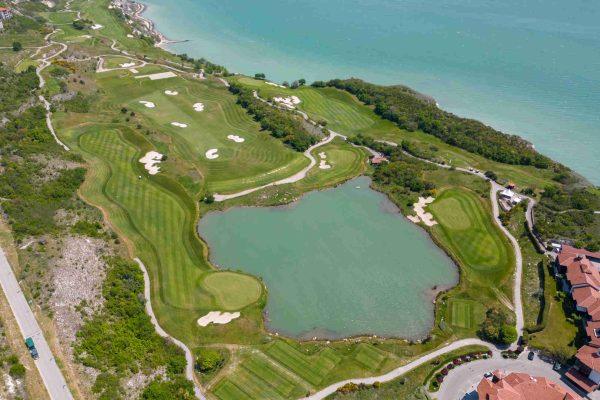
In Palm Beach County, the quiet suburbs of Royal Palm Beach and Wellington are bracing for a dramatic change. Historic golf courses, some with more than half a century of tradition, are being sold to developers who plan to replace fairways with hundreds of homes. The catalyst is a new state law that strips local governments of their power to hold public hearings on such projects, leaving residents with little say in the fate of their neighborhoods.
The law, known as the Infill Redevelopment Act, was signed to encourage redevelopment of environmentally impacted properties. But critics say it's a gift to the real estate industry, allowing companies like GL Homes to bypass local oversight and fast-track massive housing complexes. For many in the community, this feels like an erosion of democratic rights.
Local leaders push back
Mayors and council members across Palm Beach County have voiced their frustration. They argue that without public hearings, residents can't request traffic studies, density reductions, or other safeguards. "This law tramples local autonomy," said a Wellington official, who asked not to be named. "We're losing the ability to shape our own communities."
The Village Golf Club in Royal Palm Beach and Polo West in Wellington are among the venues set to close. These courses have been more than just places to play; they've been social hubs, hosting tournaments and community events. Their loss is a blow to the area's identity.
Environmental concerns add another layer. Many of these golf courses have a history of pesticide and fertilizer use, leaving soil that may require remediation before homes can be built. Residents wanted to debate these risks openly, but the new law cuts off that conversation.
Corporate interests vs. community green space
Behind the rapid land-use shift are lucrative offers that course owners couldn't refuse. Despite solid membership and affordable rates, the high value of the land made selling more attractive than maintaining operations. "It's a classic case of money talking," said a local real estate analyst.
Community groups like Save Our Green Space are mobilizing. They're lobbying the legislature to repeal the law, hoping to halt what they see as a dangerous trend that could erase golf courses across South Florida. "We're not against housing," said one organizer. "We're against losing our green spaces without a voice."
This isn't just a local issue. Similar battles are playing out across the country, as states grapple with housing shortages and development pressures. In California, for example, housing policies have squeezed seniors out of parking spots, showing how complex these trade-offs can be.
For now, Palm Beach County residents are left wondering what their neighborhoods will look like in a few years. Will the palm-lined fairways become rows of townhouses? Will the sound of golf carts be replaced by construction noise? The answers depend on whether the community's outcry can sway lawmakers.
As the debate continues, one thing is clear: the green history of Florida's golf courses is being buried, and not everyone is ready to say goodbye.