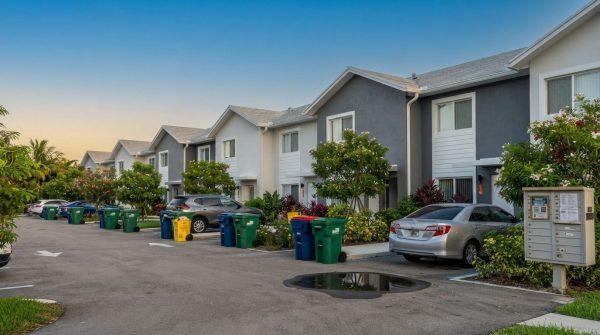
Miami's housing landscape is about to get a little smaller—and a lot more affordable. In a unanimous vote, the Municipal Commission has approved new regulations that clear the way for accessory dwelling units (ADUs), commonly known as tiny homes, to be built on narrow and underutilized lots across the city. The move is designed to tackle the city's soaring rental costs while preserving the architectural character that makes Miami's neighborhoods distinct.
The new rules are a direct response to the proliferation of oversized, boxy structures that have altered the visual identity of residential areas. By encouraging smaller, more thoughtful construction, the city hopes to strike a balance between growth and tradition. The ordinance draws inspiration from the historic “shotgun” houses of Coconut Grove, a style brought by Bahamian immigrants generations ago.
A win for developers and renters alike
Real estate developers have welcomed the measure, noting that ADUs can be completed far more quickly than large multifamily complexes. Amanda De Seta, director of Dragonfly Investments, says her team can now finish affordable housing projects in under 18 months in specific zones. That speed is crucial in a city where housing demand continues to outpace supply.
Marcelo Fernandes, owner of Grove Properties, was instrumental in shaping the regulatory update. He sees it as a way to honor the legacy of West Grove, a historically Black and Bahamian neighborhood. “We're building homes that respect the past while meeting the needs of today,” Fernandes said. His company plans to erect rows of tiny homes inspired by that heritage.
The ordinance sets clear parameters: lots must be between 7.6 and 10.6 meters wide, with total areas ranging from 232 to 465 square meters. Structures can cover no more than 50% of the lot, with setbacks of at least 6 meters from the front and rear and 1 meter on the sides. These rules ensure that new homes fit seamlessly into existing neighborhoods.
Two categories of lots are eligible: T3-O solar parcels within Transit-Oriented Development zones that have public sewerage, and non-conforming T3 lots that meet size standards as of May 1, 2026. This opens up land that has sat vacant for years, giving developers a chance to activate it and contribute to the city's housing stock.
While the immediate focus is on affordability, the long-term vision is broader. Urban planners and housing advocates argue that expanding ADU permissions to T3-R parcels—where two tiny homes per plot could be built—would significantly increase supply. That, they say, is the real game-changer for Miami's rental market.
For now, pilot projects are being prepared in locations like Plaza Street to demonstrate the viability of these structures. Local authorities are closely monitoring the implementation to ensure the ordinance is applied correctly and that community tranquility is maintained.
This initiative comes at a time when housing costs are a pressing concern across South Florida. The pressure on the market is not unlike what other cities face, but Miami's approach is uniquely tailored to its cultural and architectural identity. As AI data centers outbid homebuilders in some regions, Miami is betting on a more human-scale solution.
For Latino families who have long called neighborhoods like Little Havana and West Grove home, the new rules offer a glimmer of hope. The chance to stay in familiar communities, with rents that don't break the bank, is a powerful draw. And for those looking to buy, tiny homes present an entry point into a market that has become increasingly exclusive.
As the city moves forward, the debate continues over how far to extend these regulations. But for now, Miami is taking a bold step toward a more inclusive and historically conscious housing future. The tiny home movement is no longer just a trend—it's becoming a cornerstone of the city's strategy to keep Miami livable for everyone.