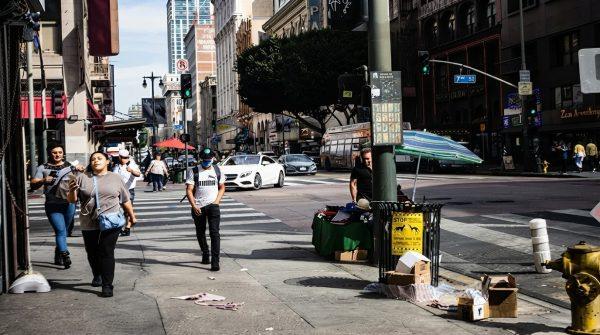
Los Angeles has long been a city of contrasts—glamour and grit, Hollywood hills and littered sidewalks. But if you're caught tossing a plastic cup or a bag of trash onto a street, you might be facing more than just a dirty conscience. The city is ramping up enforcement, and the penalties are steeper than many realize.
Under current municipal codes, illegal dumping can bring fines up to $1,000, and for misdemeanor offenses, you could spend up to six months in county jail. The exact punishment depends on how many times you've been caught, the type of waste, and which specific ordinance you've violated, according to the Los Angeles Department of Public Works.
This isn't just about a few rogue individuals. The city has deployed a multi-layered approach to keep public spaces clean. Urban inspectors now document discarded commercial and residential debris in public rights-of-way, and environmental protection divisions use digital tools to map recurring trash hotspots. Sanitation crews are out daily, removing hazardous materials from sidewalks and alleys, and the city coordinates administrative hearings to process citations.
How the city is tracking and penalizing offenders
The enforcement chain is getting more sophisticated. Digital registries log where trash accumulates, helping officials target their efforts. For residents, reporting a problem is as easy as using the MyLA311 app, which has become a standard channel for flagging illegal dumping or requesting bulky-item pickups.
But the city isn't just relying on reports. Police are stepping up surveillance in high-risk corridors, and vehicles linked to clandestine dumping can be subject to direct legal action. Specialized units operate under expert supervision to catch offenders in the act.
For those who think a fine is just a cost of doing business, think again. Courts are handing out strict misdemeanor charges for those who discard hazardous materials or large commercial quantities in unauthorized zones. The financial sanctions are severe, and county imprisonment is a real possibility.
This crackdown comes as Los Angeles grapples with broader urban challenges, from strained public services to the need for safer streets. Keeping the city clean is part of a larger effort to improve quality of life for everyone, including the many Latino communities that call LA home.
For bicultural Angelenos, this might feel like a familiar story—many Latin American cities have long enforced strict anti-littering laws, and the emphasis on community responsibility resonates across cultures. But here, the stakes are clear: the city is serious about cleaning up, and it's using every tool at its disposal.
As the city continues to optimize its enforcement chains, officials say they will evaluate priority needs in vulnerable neighborhoods while ensuring transparency in how resources are used. The message is simple: don't trash the streets. The cost is too high.