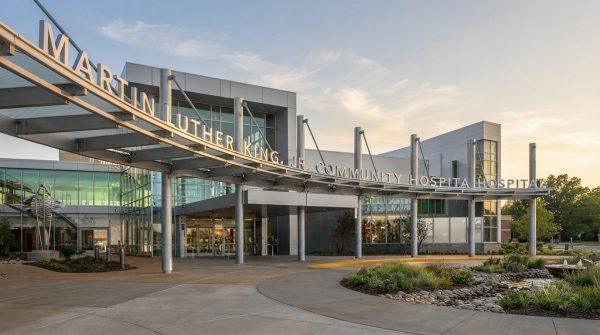
In the heart of Willowbrook, a community that has long relied on its safety-net hospital, Martin Luther King Jr. Community Hospital is fighting for its life. The medical center, which handles over 120,000 emergency room visits each year, is staring down a financial cliff that could force its doors shut. The culprit? Federal Medicaid cuts tied to HR1 legislation, which are projected to strip between $80 million and $100 million annually from the hospital's budget.
Dr. Elaine Batchlor, the hospital's CEO, has been sounding the alarm, warning that without immediate intervention, the facility could cease operations. The stakes are immense: 95% of the hospital's patients are low-income individuals covered by public programs or uninsured entirely. Unlike other county hospitals that can rely on a mix of private insurance to balance their books, MLK Community Hospital's patient base leaves it uniquely vulnerable to shifts in federal policy.
A Community Under Pressure
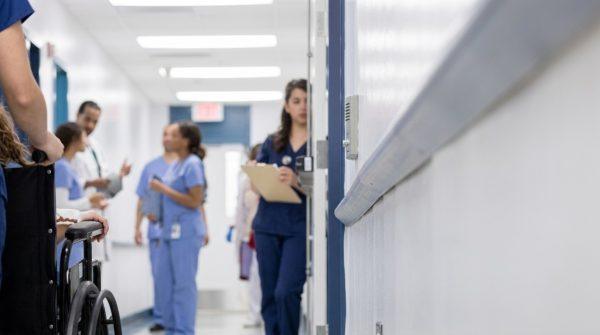
The hospital's infrastructure is already stretched beyond its limits. Rooms designed for single occupancy are being doubled up, and temporary spaces have been set up to accommodate the surge of patients. The daily grind of managing chronic overcrowding has become a test of endurance for medical staff, who coordinate tirelessly to keep emergency and mental health services running.
Local leaders and residents alike understand what losing this hospital would mean. It would not just be a blow to Willowbrook—it would collapse the region's emergency care network, leaving thousands of families without access to vital services. The NAACP Los Angeles chapter has rallied behind the hospital, amplifying the urgency of the crisis.
Innovation Amid Crisis
Despite the dire circumstances, the hospital is not standing still. Administrators have implemented digital systems to streamline patient registration and optimize resource allocation. Triage areas have been redesigned to speed up critical care, and telemedicine is being used to connect patients with specialists at partner universities. Mobile units are also being deployed to bring preventive care to surrounding neighborhoods.
These innovations, however, are only band-aids on a deeper wound. The hospital's financial reserves are dwindling, and it is now relying on emergency loans and legislative support to stay afloat. Dr. Batchlor and her team are pushing for a long-term solution, including a reallocation of Measure B funds—a county sales tax measure intended for healthcare—to benefit the most underserved areas.
The Fight for Survival
Los Angeles County Supervisor Holly Mitchell has stepped into the fray, proposing a strategic overhaul of how public funds are distributed. Her plan would prioritize hospitals like MLK Community Hospital that serve as lifelines for vulnerable populations. Community leaders are also calling for a permanent state relief fund to shield independent hospitals from the whims of federal politics.
The clock is ticking. Every day brings new challenges, from managing supply shortages to negotiating with state legislators. But the hospital's commitment to public health remains unwavering. As Dr. Batchlor puts it, "We are not just a hospital; we are a sanctuary for this community."
The broader context of California's affordability crisis has already driven many families to leave the state, as rising costs reshape communities. Losing a hospital like MLK would only deepen the strain on those who remain.
For now, the hospital continues to operate, its staff working double shifts and its administrators scouring for every possible dollar. The community, meanwhile, is mobilizing—holding vigils, contacting elected officials, and sharing their stories. They know that the fight to save MLK Community Hospital is not just about a building; it's about the health and dignity of an entire neighborhood.
As the 2026 budget cycle approaches, the decisions made by county supervisors and state lawmakers will determine whether this vital institution survives. The hope is that the urgency of the moment will translate into action, securing a future where Willowbrook's families can still count on their hospital when they need it most.