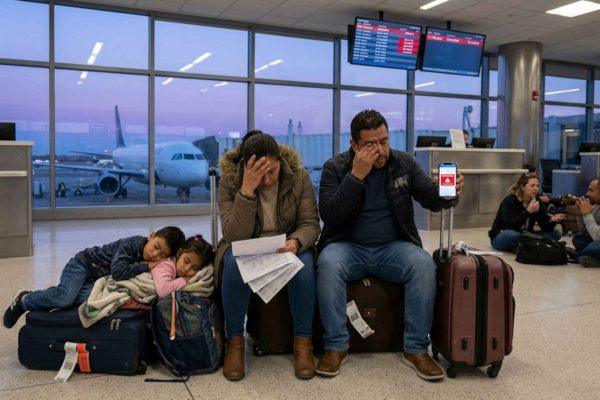
If you've been following the news, you know that the aviation industry is bracing for a turbulent 2026. Fuel shortages, geopolitical tensions, and the upcoming World Cup in the United States, Mexico, and Canada are creating a perfect storm for flight cancellations. For Latino travelers—whether you're flying from Bogotá to Miami, or from Los Angeles to visit family in México—knowing your rights and having a solid backup plan can make all the difference between a nightmare and a manageable inconvenience.
Your Legal Rights: Refunds Are Not Optional
Let's start with the basics. If an airline cancels your flight in the United States and you decide not to travel, federal law mandates a full refund. This isn't a courtesy—it's the law. The refund must include not just the ticket price, but also any fees for bags, seat selections, or other add-ons. Don't let airline agents push you toward vouchers or credits; you are entitled to your money back. This is especially important for families who may have booked through third-party sites or with points—those refunds can be trickier, but the law still applies.
Experts recommend booking flights early in the day. Why? Because if your morning flight gets canceled, you have a wider window to rebook on another airline or find an alternative route before airports become chaotic. Afternoon and evening cancellations often leave travelers with fewer options, especially during peak travel seasons.
Document Everything, Demand Written Proof
When a cancellation happens, your phone becomes your best tool. Take screenshots of the cancellation notice, keep your boarding pass, and save every email or app notification. Most importantly, ask for a written explanation of why the flight was canceled. Airlines are required to provide this, and it's crucial for securing a refund or filing a claim later. If the reason is weather or air traffic control, your options may be limited. But if it's a mechanical issue or crew shortage, you have stronger grounds for compensation under the Montreal Convention, which applies to international flights and covers over 140 countries.
Don't just accept the airline's first rebooking offer. Often, they'll put you on a flight that's hours or even days later. Instead, use your phone to search for alternative airports nearby. For example, if you're flying into New York and your JFK flight is canceled, check availability at Newark or LaGuardia. If you're heading to the Caribbean, consider flying into a different island and taking a short regional hop. This proactive approach can save you from sleeping on an airport floor.
The Duty of Care: US vs. Europe
It's worth noting that the legal landscape varies dramatically depending on where you are. In the United States, the law focuses on refunds, but there's no automatic compensation for delays or cancellations beyond that. In the European Union, airlines have a "duty of care" that can include meals, hotel accommodations, and even financial compensation of up to €600 per passenger. If you're flying from Europe to Latin America, those protections apply. But if you're flying within the US or from the US to Latin America, you're largely on your own beyond the refund.
This is where travel insurance becomes a smart investment. Look for policies that cover trip interruptions, cancellations due to force majeure, and even "cancel for any reason" clauses. With the 2026 World Cup on the horizon—and the massive influx of travelers it will bring—having that safety net could save you thousands of dollars and a lot of stress. For context, the infrastructure challenges in host cities like New York are already raising concerns about how smoothly things will run.
Fuel Shortages and the Bigger Picture
The current fuel crisis isn't just a headline—it's reshaping airline schedules. Carriers like Lufthansa have already cut thousands of routes, and others are expected to follow. This means that even if your flight isn't canceled, you might face last-minute schedule changes. Airlines are adjusting their timetables weeks in advance, so check your booking regularly. If you see a change that doesn't work for you, call the airline immediately. You have more leverage before the chaos hits.
For Latino travelers, this is especially relevant because many of us travel to visit family in countries like Colombia, the Dominican Republic, or El Salvador. These routes are often served by smaller airlines or seasonal flights, which are more vulnerable to cancellations. If you're planning a trip for a quinceañera, a wedding, or a holiday gathering, consider building in an extra day or two on each end of your itinerary. Flexibility is your friend.
And let's not forget the cultural side. The 2026 World Cup will bring millions of fans from across Latin America to the US, Mexico, and Canada. If you're planning to attend, start thinking about your travel strategy now. Younger travelers are already seeking out awe-inspiring experiences, but for those of us with deeper roots in the region, the priority is often about connection—to family, to heritage, to home. Don't let a canceled flight ruin that.
Final Tips: Stay Ahead of the Game
- Use tracking apps: Services like FlightAware or your airline's app can alert you to cancellations before the official email arrives. This gives you a head start on rebooking.
- Keep a record of expenses: If you end up paying for a hotel, meals, or transportation due to a cancellation, save every receipt. You may be able to claim these under the Montreal Convention or your travel insurance.
- Know your airline's policy: Some carriers, like Delta or American, have more generous rebooking policies than others. Check their contract of carriage online before you travel.
- Consider flying into smaller airports: Major hubs like Atlanta, Dallas, or Mexico City are more prone to cascading delays. Smaller airports often have fewer cancellations and faster rebooking options.
At the end of the day, the best defense is information. The airline industry is going through a rough patch, but that doesn't mean you have to suffer. Know your rights, plan ahead, and don't be afraid to push back when an airline tries to shortchange you. After all, your time and money are valuable—and so is your connection to the people and places that matter most.