Lower Manhattan's skyline is about to see its final transformation. After more than two decades of delays, design changes, and logistical hurdles, construction has officially begun on 2 World Trade Center. This isn't just another skyscraper—it's the last piece of a puzzle that has defined New York's architectural and emotional recovery since the 2001 attacks.
A Long Road to Ground Zero
The story of 2 World Trade Center reads like a saga of ambition, setbacks, and resilience. Developer Larry Silverstein first envisioned the tower as part of a broader rebuilding effort, but the project faced years of uncertainty. Early designs by Norman Foster aimed to avoid casting shadows on the 9/11 Memorial, but the plan stalled in 2012. In 2015, architect Bjarke Ingels proposed a radical stacked-block design, but that too fell through when anchor tenants like 21st Century Fox and Deutsche Bank pulled out.
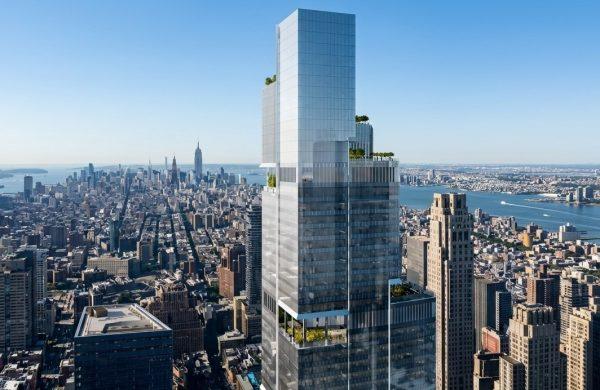
Financial stability finally arrived when American Express stepped in. The multinational not only became the anchor tenant but also secured a 99-year land lease, eliminating the need for public funding. This deal pushed forward the refined Foster + Partners design, a 55-floor, 373.7-meter (1,226-foot) tower that balances ambition with sensitivity.
More Than Steel and Glass
The new tower is expected to inject $5.9 billion into New York City's economy and $6.3 billion into the state's economy. It will create more than 3,200 direct and indirect jobs, breathing life into a site that remained a painful void for nearly 25 years. The building will span 181,160 square meters, with flexible floor plans designed to house 10,000 employees.
But the project's significance goes beyond economics. As one city official put it, this is about architectural healing—closing a wound that has lingered in the heart of the financial district. The tower's design prioritizes openness and light, a stark contrast to the hermetic, 110-story original that stood before 2001.
Sustainability and Urban Integration
2 World Trade Center is a model of 21st-century sustainability. It will operate with fully electric systems to meet strict LEED certification standards. The uninterrupted glass facade will dialogue with Santiago Calatrava's Oculus, creating a seamless urban experience. Six stepped loggias, or terraces embedded in the facade, will provide more than 4,000 square meters of vegetation, offering a green respite in the dense cityscape.
This focus on natural light and open spaces marks a radical departure from the original 1973 building. The new design feels integrated with the city, not isolated from it. As construction progresses toward a 2031 completion, Lower Manhattan is finally ready to turn the page.
For the Latino community in New York, this project resonates deeply. Many of the workers who will build this tower come from Latino backgrounds, and the economic ripple effects will touch neighborhoods across the boroughs. It's a reminder that the city's recovery is a collective effort, one that honors the past while building for the future.
As the steel rises, so does a new chapter for Manhattan—one that prioritizes sustainability, community, and resilience. The skyline is changing, and with it, the story of a city that never stops rebuilding.