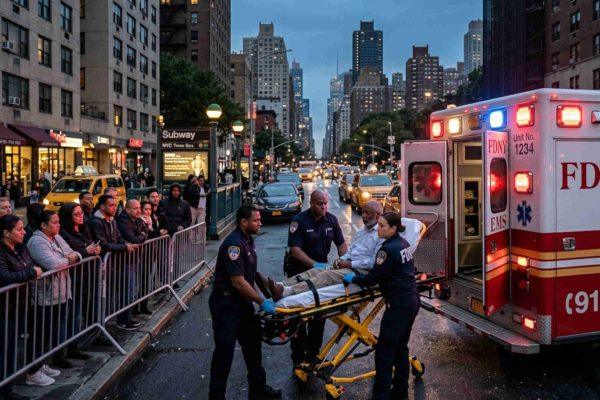
Starting in 2026, New Yorkers will pay significantly more for emergency medical services. The Fire Department of New York (FDNY) has announced fee increases of up to 42% for ambulance transport and on-site paramedic care, a move designed to shore up the department's finances as operational costs soar.
For a basic life support ambulance ride, the cost jumps from $1,385 to $1,793—a 29% increase. The steepest hike applies to emergency care provided on the scene without transport, which will rise by 42%. These changes are part of a broader strategy to reduce the burden on taxpayers by shifting more of the financial weight onto patients and their insurance companies.
The FDNY cites rising expenses for medical supplies, logistics, and personnel as the driving forces behind the adjustment. Since May 2023, the department's budget has been strained by inflation and growing demand for services. Officials argue that the fee increases are necessary to maintain quality care and keep up with costs.
Staffing Crisis Behind the Numbers
Beneath the fee hikes lies a deeper labor crisis. The contract for FDNY paramedics and emergency medical technicians expired, sparking demands for better pay and working conditions. Union leaders warn that the pay gap between EMS workers and other uniformed city employees is causing a talent drain. They project that the department could lose 37% of its EMS staff by the end of this year if conditions don't improve.
This shortage is already affecting response times for critical calls. The fee increases, in part, are meant to generate revenue that could fund future salary negotiations and retain experienced personnel. Without action, the quality of emergency services across New York City could deteriorate further.
Disproportionate Impact on Latino and Immigrant Communities
Community organizations and unions have raised alarms that these hikes will disproportionately affect the city's most vulnerable residents, including many Latino and immigrant families. For those living paycheck to paycheck, an ambulance ride could become an unaffordable luxury, forcing people to avoid seeking emergency care out of fear of debt.
“Health should not be a commodity,” said a representative from a local advocacy group. The city has scheduled a public hearing for May 15, where residents can voice their concerns before the new rates take effect. Advocates are calling on the mayor to intervene and ensure that emergency services remain accessible to all New Yorkers, regardless of income.
While the FDNY hopes private insurance will absorb much of the cost, experts predict that insurers will adjust premiums upward in response. This could create a ripple effect, making healthcare even more expensive for families already struggling with rising living costs in the city.
For Latino New Yorkers, who often work in essential but low-wage jobs and may lack comprehensive health coverage, the stakes are especially high. The fee increases come at a time when many are already navigating economic uncertainty. As the city adjusts its accounts, residents must prepare for a reality where emergencies carry a heavier price tag.