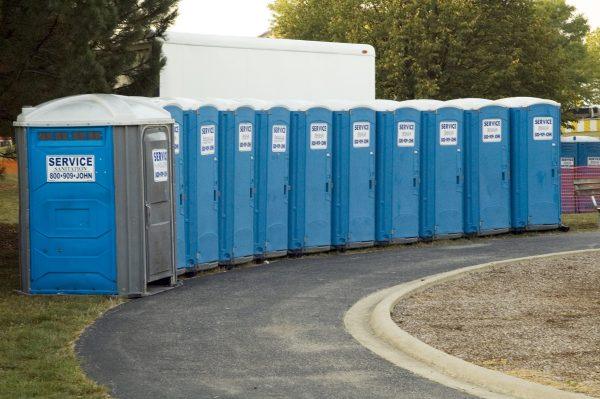
New York City is gearing up for the 2026 FIFA World Cup, but a less glamorous issue is stealing the spotlight: a severe shortage of public restrooms. With MetLife Stadium in East Rutherford set to host the opening match on June 13 and the final on July 19, the city expects 1.2 million additional visitors. Yet the current infrastructure offers just one public toilet for every 8,500 residents—a ratio that already causes long lines at spots like Bryant Park on ordinary days.
City Council Majority Leader Shaun Abreu didn't mince words: “It’s about dignity, cleanliness and public health, in addition to convenience.” The problem isn't just about comfort; it's a logistical and humanitarian challenge that could overwhelm local businesses and public spaces. Dynishal Gross Menin, commissioner of the Department of Small Business Services, confirmed that the administration is racing to create a comprehensive map of existing restrooms in parks and strategic areas to guide both residents and tourists.
Beyond the World Cup: A Structural Fix for New Yorkers
The City Council has introduced a bill requiring the city to develop a plan to expand restroom access before the tournament begins. The goal is to avoid temporary patches and instead deliver lasting improvements for New Yorkers who depend on these facilities daily. As Abreu emphasized, the World Cup is a golden opportunity to boost commerce, but not at the cost of basic urban dignity.
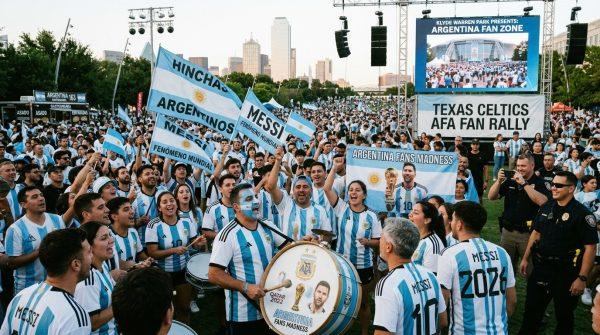
This isn't just a New York story. Across the Americas, major events often expose infrastructure gaps that affect local communities. For Latino visitors—many from countries like México, Argentina, Colombia, and Brazil, where football is a religion—the experience of navigating a city without adequate public facilities can be jarring. The challenge resonates with broader conversations about urban equity, much like the financial squeeze fueling California's middle-class exodus, where basic services are increasingly out of reach.
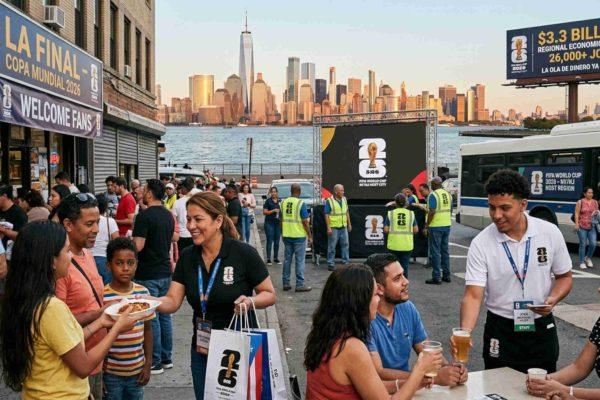
The transportation logistics add another layer of complexity. Moving fans between Manhattan and East Rutherford will test the region's transit systems, especially with recent New Jersey Transit fare hikes causing friction. The city must balance the World Cup's commercial and cultural success without degrading the daily experience of local users.
With 48 teams and 104 matches across three countries, New York and New Jersey are at the heart of the tournament. But the prestige of a host city isn't measured only by its stadiums—it's also about offering dignified, functional services to everyone walking its streets. As the countdown continues, the bathroom crisis serves as a reminder that infrastructure is a matter of respect.
For Latino fans traveling from places like Buenos Aires, São Paulo, or San Juan, the lack of public restrooms might feel familiar—many Latin American cities face similar shortages. But the hope is that New York's response will set a new standard, turning a logistical headache into a lasting improvement for all. After all, as the saying goes, el respeto al derecho ajeno es la paz—respect for others' rights is peace, and that includes the right to a basic facility.