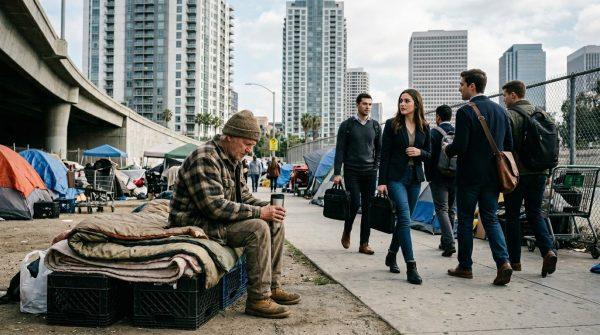
The United States housing crisis has reached a critical point, forcing a growing number of baby boomers into homelessness. This trend is not just a humanitarian concern; it is fueling a deep generational divide as millennials and Gen Z look back at the policies that shaped today's housing market. Organizations like the National Low Income Housing Coalition report that the lack of affordable options is hitting older adults hard, while younger cohorts demand accountability for decades of economic decisions.
Roots of the Generational Tension
Younger generations often see the current crisis as a direct result of choices made by those now facing housing instability. Many economic analysts argue that policies from the boomer era—such as tax breaks for homeowners and resistance to affordable housing development—created barriers for future buyers. This perception erodes the traditional sympathy for the elderly, replacing it with a demand for intergenerational justice. Data from the Pew Research Center suggests that the social contract has broken down, with many young people feeling that boomers prioritized their own prosperity over collective well-being.
This tension is not just about blame; it reflects a broader frustration with a system that seems to punish those who lack foresight. As one analyst put it, the lack of empathy is a defensive reaction against an economic environment that rewards planning but offers little safety net for those who fall behind. The AARP confirms that the shortage of support networks increases the risk of eviction for citizens over sixty, highlighting a systemic failure rather than individual misfortune.
Factors of the Housing Crisis
Millennials point to a lack of financial planning among older adults as a key trigger for the current instability. However, specialists emphasize that this is not merely an accident of individual misfortune. The crisis is rooted in broader economic shifts: stagnant wages, rising rents, and a shortage of affordable housing. In cities like Los Angeles and New York, the situation is particularly acute. For example, Downtown LA's office vacancy crisis has contributed to a lack of housing options, while innovative solutions like the Bronx nuns offering $190 weekly housing show the lengths communities must go to fill the gaps.
Public opinion studies indicate that respect for the elderly now competes with the demand for equitable measures. Young people maintain that society must protect the collective future, which forces a reevaluation of automatic assistance expectations for aging sectors. This is not about abandoning the elderly but about creating a system that works for everyone.
Impact of the Housing Crisis
The impact of this crisis compels authorities to reconsider protection mechanisms to avoid a major humanitarian disaster. Researchers at the Urban Institute argue that studying this generational tension is essential to understand the social fractures defining our era. Overcoming this conflict requires solutions that integrate an ethical vision capable of protecting citizens against systemic risks. In states like California, where retirement security is being reshaped by high costs and tax fears, the need for reform is urgent.
In summary, objective analysis of this issue ensures that public efforts maintain a logical foundation based on real market evidence. Transparency in the causes allows society to advance toward a model of coexistence where individual responsibility lives alongside guaranteed support structures. The housing crisis is not just about shelter; it is about the kind of society we want to build for all generations.