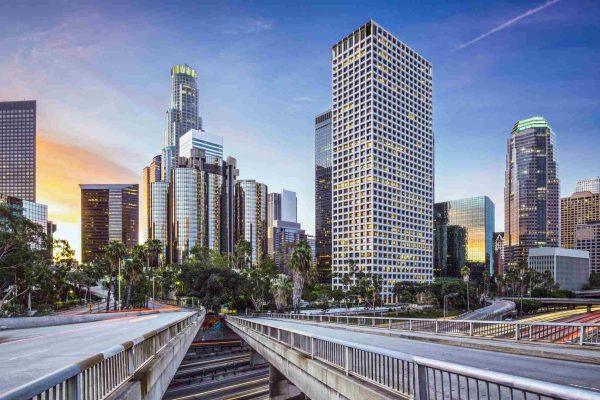
Downtown Los Angeles was once seen as a rising star—a place where new condos, trendy restaurants, and corporate headquarters would transform the city's historic core into a vibrant 24-hour hub. But a new report from global architecture firm Gensler tells a different story. The City Pulse 2026 study, which surveyed 35,000 residents across 75 major cities, ranks DTLA near the bottom of urban vitality rankings, with a satisfaction rating of just 65% among local consumers.
The numbers are stark: roughly 40% of office space in the financial district sits empty, while 30% of street-level retail storefronts are vacant. This isn't just a corporate problem—it's a crisis that hits close to home for the Latino communities that have long anchored neighborhoods like Pico Union, South Park, and the Fashion District. When office workers disappear, the small businesses that depend on their lunchtime and after-work traffic suffer. Bodegas, taquerías, and family-run shops that have served generations are now struggling to stay afloat.
Why DTLA's Boom Turned Bust
The pandemic accelerated a trend that was already brewing: remote work and corporate flight from traditional office towers. Without the daily influx of commuters, the downtown ecosystem has unraveled. Kelly Farrell, managing director of Gensler's Los Angeles office, points out that the key to recovery is bringing people back—not just to work, but to live and play. "Achieving high residential density is the primary tool to reduce crime and restore consumer confidence," she says. The goal is to jumpstart the nighttime economy, which has been sluggish since 2020.
But the challenges go beyond empty desks. The report found that only 58% of respondents find DTLA's architecture visually appealing, and the area's hospitality index—measuring how welcoming the city feels—dropped to 60%. For a city that prides itself on being a global destination, those numbers are sobering. The lack of human density has also fueled negative perceptions about safety, even though official data tells a more nuanced story.
Los Angeles Police Department Captain Kelly Muniz confirms that verified crime metrics in the downtown area actually dropped by 10% compared to the previous year. Yet the perception of danger persists, keeping potential residents and visitors at bay. Urban planners argue that repopulating vacant storefronts is essential to creating natural surveillance—what urbanist Jane Jacobs called "eyes on the street"—and breaking the cycle of isolation that plagues DTLA.
For Latino families and entrepreneurs, the stakes are high. The downtown area has long been a gateway for immigrant communities, offering affordable commercial space and proximity to transit hubs. As CalFresh cuts threaten 260,000 in Los Angeles County, the economic pressure on Latino households is mounting. A revitalized downtown could provide jobs and opportunities, but the current trajectory points in the opposite direction.
The Gensler report also highlights a broader trend: while cities like New York, Chicago, and Boston boast urban vibrancy metrics above 80%, Los Angeles lags behind. The city's sprawling geography and car-dependent culture make it harder to create the dense, walkable neighborhoods that attract investment and talent. Yet there are glimmers of hope. The upcoming World Cup 2026 could bring a temporary boost, with free events planned across 19 parks, but long-term solutions require more than one-off spectacles.
Some experts point to the need for mixed-use development that combines housing, retail, and office space in a way that feels organic, not forced. Others argue for better public transit connections and incentives for small businesses to fill those empty storefronts. What's clear is that DTLA's revival won't happen overnight—and it won't happen without addressing the needs of the communities that have kept the city alive through its toughest moments.
For now, the downtown core remains a cautionary tale: a boom that promised much but delivered unevenly. As Los Angeles looks ahead, the question isn't just how to fill empty offices, but how to build a city that works for everyone—from the corporate executive to the family running a corner store in Pico Union.