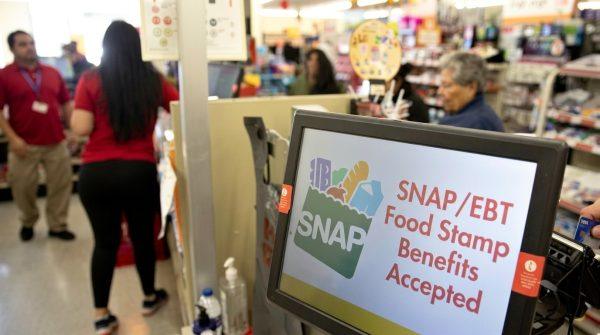
Across Pennsylvania, families who rely on the Supplemental Nutrition Assistance Program (SNAP) have been facing a growing threat: thieves draining their grocery benefits before they can even reach the checkout line. In response, state officials have approved a $7 million investment to replace the old magnetic stripe cards with chip-enabled cards, a move designed to make it much harder for criminals to skim account data at retail terminals.
The Pennsylvania Department of Human Services is overseeing the transition, which will affect every county in the state. The new cards use the same microchip technology found in most modern credit and debit cards, offering a layer of encryption that magnetic stripes simply cannot provide. This upgrade is not just a convenience—it is a critical safeguard for the more than 1.8 million Pennsylvanians who depend on SNAP to put food on the table.
Why chip cards matter
Magnetic stripe cards are notoriously vulnerable to skimming. Criminals install hidden devices on point-of-sale terminals, often at grocery stores or ATMs, to capture card data and PINs. With that information, they can clone the card and withdraw benefits as soon as they are deposited each month. The Government Accountability Office estimates that such electronic theft costs the program over $100 million annually nationwide, a staggering sum that hits the most vulnerable families hardest.
For many Latino households in Pennsylvania—particularly in cities like Philadelphia, Reading, and Allentown, where SNAP participation is high—the loss of benefits can mean weeks without adequate food. María González, a community organizer with the Latino advocacy group UnidosPA, told us, "When your card is drained, you don't just lose money; you lose the ability to feed your children. It's a crisis that affects every aspect of family life."
The shift to chip cards is expected to significantly reduce these incidents. According to federal agricultural regulators, seven states have already completed similar transitions, and four more are in the process. Pennsylvania's rollout will take six to eight months, during which time all existing cards will be replaced. State officials are coordinating with federal agencies to ensure a smooth transition and to minimize any disruption for recipients.
What happens when benefits are stolen?
Even with the new cards, there is a lingering problem: what happens to families who have already been victimized? Until December 2024, a federal program reimbursed stolen benefits, but that emergency funding was terminated by Congress. Now, victims have no guaranteed path to recovery, leaving many to turn to food banks and community pantries.
Organizations like Just Harvest have documented numerous cases where families face severe food scarcity after theft. "We see people who are ashamed to ask for help, but they have no other option," said Just Harvest's executive director, Sarah Cohen. "The chip cards will help prevent future theft, but we still need a safety net for those who have already suffered."
Advocacy groups are lobbying federal lawmakers to reinstate a reimbursement fund, but so far, no legislation has passed. In the meantime, state agencies are urging recipients to monitor their accounts regularly and report any suspicious activity immediately. Consumer protection groups are also distributing multilingual educational materials, including Spanish-language guides, to help families understand the new security features and how to protect their benefits.
The transition to chip cards is a significant step forward, but it is not a silver bullet. Law enforcement task forces are tracking international cyber rings that target electronic benefit accounts, and federal agencies are evaluating long-term solutions to permanently eliminate skimming vulnerabilities. For now, Pennsylvania is leading the way in protecting its most vulnerable residents, and other states are watching closely.
As the rollout progresses, community leaders are organizing workshops to help families navigate the change. "We want to make sure no one is left behind," said González. "This is about dignity and security for our communities."
For more on how technology is reshaping public assistance, see our coverage of New York's data center pause and rental scam warnings.