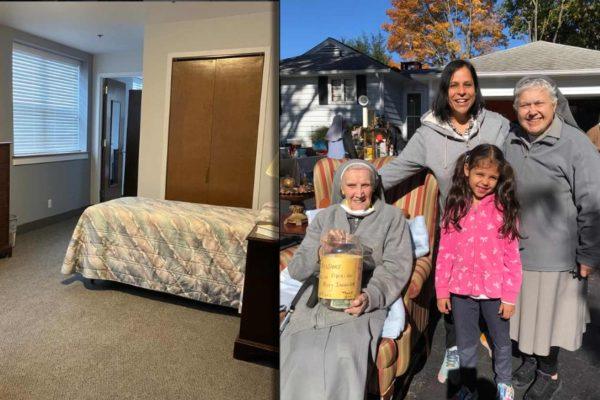
In the middle of New York City's punishing rental market, where the average monthly rent has climbed to $4,175, a small boarding house in the Bronx is offering something close to a miracle. Centro Maria Residence, run by Catholic nuns in the Spuyten Duyvil neighborhood, provides young women with single rooms for $210 a week and shared accommodations for just $190 a week. That includes breakfast, utilities, Wi-Fi, and access to a gym and laundry facilities.
The math is stark. To afford the citywide median rent without financial strain, a tenant would need an annual salary of nearly $167,000. Even in the Bronx, where average rents are lower at around $1,636 a month, the median household income of $46,000 to $48,700 falls short of the $65,436 threshold needed to live comfortably. For many young women—students, interns, migrant workers—Centro Maria is not just a deal; it's a lifeline.
A Model from the 1860s, Still Relevant Today
Centro Maria is part of a tradition that dates back to the 1860s, when wealthy Christian groups in New York established boarding houses for factory workers and shop girls. Back then, these homes offered safe, affordable shelter for women navigating a rapidly industrializing city. Today, only five such facilities remain in New York, and they face multi-month waiting lists. The demand speaks to a housing crisis that shows no signs of easing.
Residents must follow a set of traditional rules: a weekday curfew of 11:30 p.m. (midnight on weekends), no alcohol in bedrooms, and male visitors are restricted to the ground-floor reception area, where Sister Rita keeps a watchful eye. For those who accept these guidelines, the trade-off is a stable, supportive environment that goes beyond cheap rent.
“It’s not just a room,” says Diana Janna Reyes Núñez, a 26-year-old resident who moved in after her mother passed away. “The nuns here become like family. They helped me through my grief.” Jeralene Maria, an international student from India, echoes that sentiment, describing the bonds formed with the five resident nuns as a source of emotional stability in an otherwise isolating city.
The facility accepts applicants of all faiths and does not require religious participation. But the waiting list is long, a sign of how desperate the need for affordable housing has become across the five boroughs.
For Latinas and other young women of color, who are disproportionately affected by the city's housing affordability gap, Centro Maria represents a rare option that combines economic relief with community support. As the broader housing market continues to squeeze renters—with some analysts suggesting that renting may be smarter than buying in the current climate—alternatives like this boarding house model deserve attention.
Centro Maria is a reminder that sometimes the most effective solutions to big problems are small, local, and rooted in a sense of shared responsibility. In a city where the cost of living can feel like a full-time job, a group of nuns in the Bronx is showing that affordable housing doesn't have to be a fantasy.