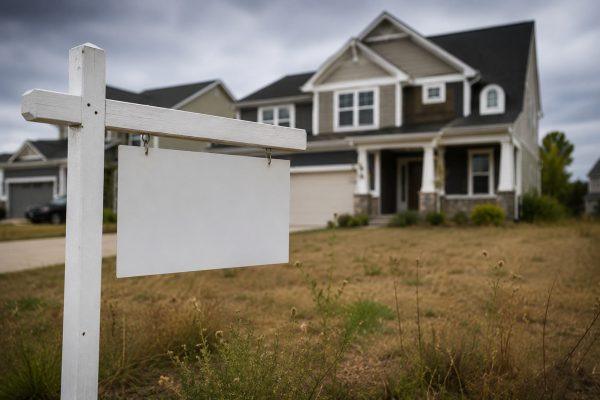
The U.S. housing market is feeling the squeeze. In June 2026, new home sales fell to their lowest annual pace since 2017, according to the U.S. Census Bureau. The seasonally adjusted annual rate landed at 628,000 units—a modest 1.6% uptick from May, but a 5.6% drop compared to June 2025. That year-over-year decline underscores a persistent weakness that has defined the residential construction sector through the first half of the year.
Why buyers are holding back
The slowdown isn't a mystery. Mortgage rates have climbed again, with the average 30-year fixed rate hitting 6.55% in mid-July 2026—an 11-month high, according to Redfin. For many families, especially first-time buyers, that translates into monthly payments that stretch budgets to the limit. Add in lingering inflation and slower job growth, and you have a recipe for delayed household formation. Younger adults, in particular, are postponing the move to homeownership, which further suppresses demand at the entry level.
This isn't just a numbers game; it's about real people making tough choices. In cities like Phoenix, Austin, and Tampa—where Latino communities have grown rapidly—the dream of owning a home feels increasingly out of reach. As we've noted in our coverage of buyers' markets across the U.S., some regions are shifting in favor of purchasers, but high rates still dominate the conversation.
Builders adapt: price cuts and incentives
Facing sluggish demand, homebuilders are doing what they can to move inventory. The median sales price for new homes dropped to $398,300 in June 2026—a 2.7% decrease from a year earlier. Many developers are also offering financing concessions, such as mortgage rate buy-downs, to sweeten the deal. But with completed inventory sitting at roughly 485,000 units, according to the National Association of Home Builders (NAHB), some firms are pulling back on new construction and delaying permit filings.
These adjustments are a double-edged sword. While lower prices and incentives provide some relief, they also signal that builders are worried about the months ahead. The NAHB notes that the elevated inventory levels are prompting a cautious approach to new projects, which could have longer-term implications for supply.
Regional variations tell a mixed story
The national numbers hide significant regional differences. NAHB data shows that new home sales rose 2.6% in the Midwest during the first half of 2026, while the West saw a sharp 10.1% decline. The South and Northeast also reported contractions. This unevenness reflects local economic conditions, job markets, and affordability challenges. For instance, Topeka has emerged as a budget-friendly haven for Latino families fleeing high-cost cities, while places like Miami continue to see luxury developments thrive, as seen with Messi's impact on Brickell's real estate.
For Latino buyers, the housing market's health is deeply personal. Homeownership has long been a cornerstone of wealth-building in our communities, and these headwinds threaten to widen the gap. As we've reported, entry-level homes in some cities now cost $1 million, a staggering barrier for many families.
What's next?
Industry economists say a sustained recovery will depend on mortgage rate movements and broader economic stabilization. If rates ease, pent-up demand could quickly translate into a rebound. But for now, the market remains in a holding pattern, with builders and buyers alike waiting for a break.
For those considering a purchase, the current climate demands patience and creativity. Exploring brief windows when rates dip might offer opportunities, but the overall trend is one of caution. As always, we'll keep an eye on how these shifts affect Latino communities across the country—from the barrios of Los Angeles to the suburbs of Houston.