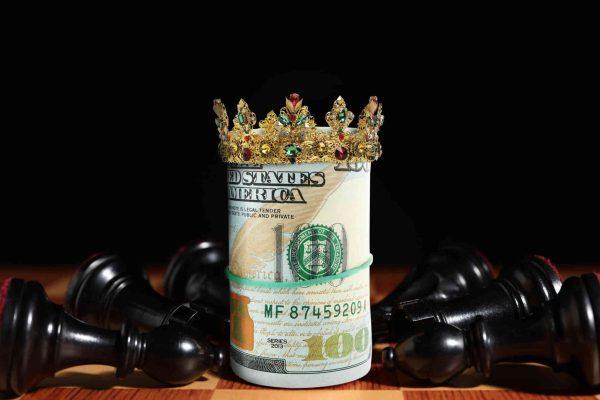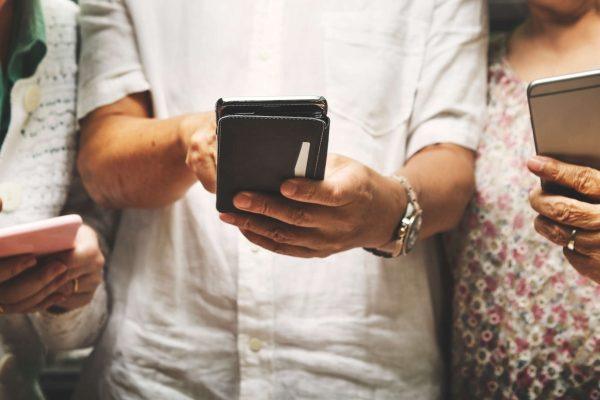
For years, shoppers in New York and beyond have noticed something unsettling: the price of an airline ticket, a hotel room, or even a household staple seems to shift after a few searches or when switching from a phone to a laptop. That suspicion has now moved from anecdote to legislation. The state's Senate and Assembly have passed the One Fair Price Act, a bill designed to ban what advocates call digital surveillance pricing—the practice of using personal data and algorithms to charge different people different amounts for the exact same product or service.
The measure, backed by Attorney General Letitia James, targets the behind-the-scenes machinery that companies use to gauge how much each shopper is willing to pay. By analyzing browsing history, location, and purchasing patterns, algorithms can set prices that are uniquely tailored to each consumer. Supporters argue this is inherently unfair and erodes trust in the marketplace. "No one should pay more for the same item simply because of who they are or what they've searched online," James has said in public statements.
What the One Fair Price Act would do
If signed into law, the One Fair Price Act would prohibit businesses from using personal data collected through electronic surveillance to determine the price of goods or services. That includes data gathered from online tracking, mobile apps, and other digital tools. The bill would apply to both online and brick-and-mortar transactions, aiming to create a level playing field for all consumers.
The legislation passed with strong Democratic support, reflecting growing concern about the power of tech companies and data brokers. New York would join a handful of states, including New Jersey, which recently enacted a similar law. Governor Kathy Hochul now holds the bill's fate in her hands. She has not yet indicated whether she will sign it, and her decision is being watched closely by consumer advocates and business groups alike.
Business groups push back
Not everyone is on board. Chambers of commerce and retail associations have warned that the law is too broad and could inadvertently eliminate popular perks like loyalty programs, coupons, and special discounts for veterans, seniors, or frequent customers. They argue that these benefits are a form of price differentiation that consumers actually want, and that banning them would hurt the very people the law aims to protect.
"We're concerned that this well-intentioned bill could backfire," said a spokesperson for the New York Retail Council. "Loyalty rewards and targeted offers are how many families stretch their budgets. Taking those away would be a real blow."
Supporters counter that the law is designed to target only the most predatory forms of price discrimination, and that legitimate discounts would still be allowed. They point to the bill's language, which focuses on surveillance-based pricing rather than voluntary discounts. Still, the ambiguity has fueled debate about where to draw the line.
What this means for Latino consumers
For bicultural Latino families across New York, the outcome of this legislation could have direct implications. Many rely on digital platforms for everything from groceries to travel, and price fluctuations can be especially burdensome for those on tight budgets. A recent report highlighted how grocery prices keep rising, making any additional cost a significant strain. If the One Fair Price Act becomes law, it could offer some relief by ensuring that the price you see is the price everyone pays.
But the law's future is uncertain. Governor Hochul has until the end of the year to decide. If she signs it, New York would become a national leader in the fight against algorithmic pricing. If she vetoes it, the issue is likely to resurface in the next legislative session, as consumer advocates are already planning to push for similar measures in other states.
In the meantime, New Yorkers can take steps to protect themselves. Experts suggest clearing cookies, using private browsing, and comparing prices across devices. But as the debate over surveillance pricing heats up, the real fix may lie in the hands of lawmakers, not shoppers.
The One Fair Price Act is more than a technical fix; it's a statement about fairness in the digital age. As Latinos and all New Yorkers navigate an increasingly data-driven economy, the outcome of this battle will shape how we shop for years to come.