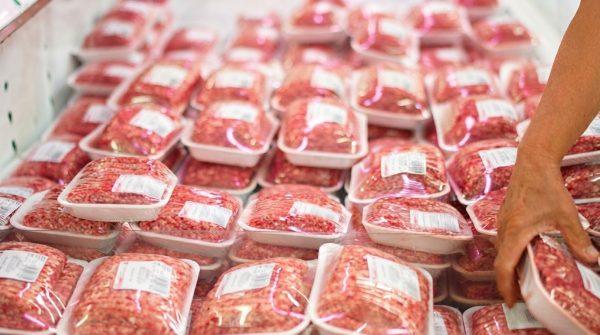
If you've recently bought Argentine beef in Texas or Florida, now is the time to check your freezer. Federal inspectors discovered that a shipment of nearly 30,000 pounds of beef from Argentina entered the U.S. market without completing the mandatory reinspection required by the USDA. The oversight has triggered a recall and raised questions about border controls.
What happened with the Argentine beef shipment?
The shipment, weighing 29,628 pounds (about 13,439 kilograms), was imported from Argentina and processed by Frigorífico Gorina SAIC. It was distributed by Corte Argentino USA LLC, a company based in Aventura, Florida. The meat moved to retail stores before the regulatory omission was detected, prompting preventive alerts to pull affected lots from shelves.
The Texas Department of Agriculture has demanded answers from the USDA on how the products bypassed established border checks. Agriculture Commissioner Sid Miller called for a full explanation, emphasizing the need for transparency and stricter enforcement.
Which cuts are affected?
The recall covers five primary cuts, all boneless and sold in boxes of varying weights:
- Cuadril sin tapa (rump cap)
- Peceto (eye of round)
- Nalga sin tapa (top round)
- Carnaza cuadrada (square cut chuck)
- Bola de lomo (top sirloin)
Each box should carry the Argentine establishment number EST. N° OF. 2025 and the shipping mark 26644-AA. Items produced between May 15 and May 20 have expiration or freezing deadlines between September 15 and September 20.
What should consumers do?
If you have any of these cuts at home, check the packaging for the establishment number and shipping mark. If they match, do not consume the meat. Return it to the store where you bought it or dispose of it safely. Retailers have been instructed to set aside identified lots and prevent any risk to consumers.
The Food Safety and Inspection Service (FSIS) is overseeing the removal of affected products and analyzing the logistical failures that allowed the shipment to slip through. Meanwhile, state officials are working to ensure every box is tracked and removed from stores across Texas and Florida.
Broader implications for imported meat
This incident has sparked wider concerns about the integrity of import protocols. Local cattle associations are demanding stronger guarantees to prevent future loopholes. Economic experts note that such logistical mishaps can temporarily shake confidence in international supply chains, as reported by Reuters Commodities.
For Latino consumers, Argentine beef is a staple in many households, prized for its quality and flavor. This recall is a reminder that even trusted products can face regulatory hiccups. It's always wise to verify labels, especially when dealing with imported meats.
In related news, Florida's ongoing screwworm emergency highlights the importance of agricultural vigilance. And for those in Texas, affordable housing initiatives are making headlines, but food safety remains a top priority.
As federal authorities reinforce inspection protocols, port operators are calling for automated digital traceability systems to shield global supply chains. The goal is to ensure that no future shipment bypasses standard customs inspections again.
For now, if you have Argentine beef at home, take a moment to check the label. It's a small step that can protect your family's health and peace of mind.