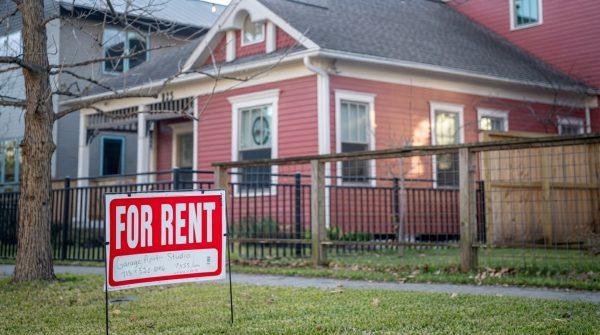
For years, working families across Texas have felt the squeeze of rising rents and stagnant wages. But a new state investment could offer some relief. Governor Greg Abbott has approved $114 million in tax credits aimed at boosting affordable housing development across the Lone Star State.
The funds, managed by the Texas Department of Housing and Community Affairs (TDHCA), will support 70 selected projects that together are expected to create or rehabilitate more than 4,400 housing units. The goal is to ease the pressure on lower-income households who have been hit hardest by the state's housing crunch.
A response to a deepening crisis
The numbers paint a stark picture. According to the State Comptroller's Office, the median home price in Texas jumped 40% between 2019 and 2023. Meanwhile, the National Low Income Housing Coalition reports that for every 100 extremely low-income households, only 26 affordable rental units exist. That gap has forced many families to spend more than half their monthly income on rent, leaving little for other necessities.
Mortgage rates have also climbed to historic highs, making homeownership out of reach for many. This combination of factors has pushed the state to act, with the tax credit program serving as a key tool to stimulate construction and renovation of affordable housing.
Bobby Wilkinson, executive director of TDHCA, emphasized the importance of the program. "This tax credit initiative demonstrates that when state and local partners work together, we can deliver real results for our communities," he said. "The selected projects will provide quality, affordable homes for families who need them most."
The program follows a strict Qualified Allocation Plan, which sets standards for quality, affordability, and community benefit. Builders must meet these requirements before breaking ground, ensuring that the new units are both durable and genuinely affordable for working-class residents.
What this means for Texas families
For residents like María González, a single mother of two in San Antonio, the news offers a glimmer of hope. "Right now, I work two jobs just to keep a roof over our heads," she said. "If more affordable options existed, I could actually save for my kids' future."
The investment is particularly significant in fast-growing metros like Austin, Dallas, and Houston, where rents have soared. But the impact will be felt statewide, as the 70 projects span urban and rural communities alike.
Community organizations are urging eligible families to stay informed. They recommend checking official award listings and waiting lists published by state agencies. As the projects move forward, local contractors will be key partners in ensuring timely delivery, and citizen oversight committees will conduct periodic audits to track progress.
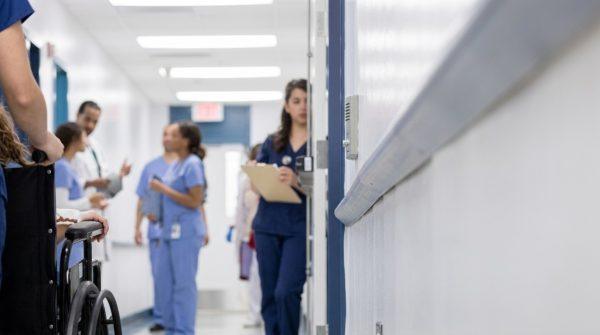
This isn't the first time Texas has stepped up on housing. Earlier this year, the state also invested in training more nurses to ease healthcare strain, showing a broader commitment to supporting working families. And with initiatives like JPMorgan's $750B plan to ease home buying for Latino families, the private sector is also getting involved.
Still, experts caution that this is just a start. The state's housing deficit is massive, and more investment will be needed in the coming years. But for now, the $114 million injection represents a meaningful step toward stabilizing the market and giving working families a fighting chance.
As the program rolls out, all eyes will be on Texas to see if this model can deliver the affordable housing that so many desperately need. For the families waiting on those lists, the hope is that this time, the promise turns into a key to their own front door.