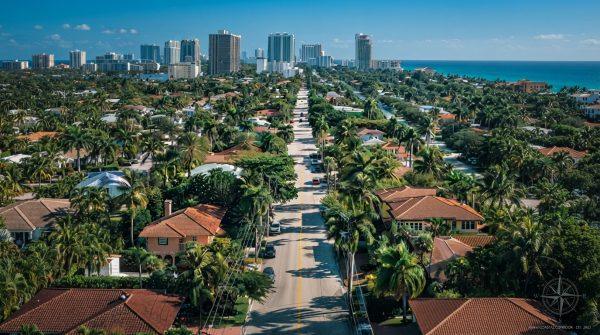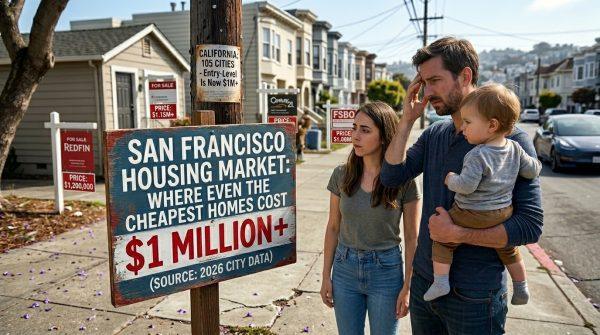
For many Latino families across the United States, the dream of buying a first home is slipping further out of reach. A new report from Zillow, released on June 16, 2026, reveals that the number of cities where entry-level homes cost $1 million or more has tripled since 2020, now totaling 242 municipalities. This trend is reshaping the housing landscape from California to New York, hitting communities where Latinos have long sought stability and generational wealth.
The data underscores a brutal reality: the inventory of affordable starter homes is vanishing. According to Redfin, families now need an annual income of nearly $117,000 to afford a median-priced home, forcing many to allocate almost 40% of their monthly earnings to mortgage payments—well above the recommended 30% threshold. For Latino buyers, who often face additional barriers like lower median incomes and less access to generational wealth, this shift is particularly punishing.
Where the Crisis Hits Hardest
California remains the epicenter, with 105 cities where the cheapest homes now command seven figures. In Los Ángeles, San José, and San Diego, Latino families who have lived in these communities for generations are being priced out. New York follows with 41 cities, including parts of Queens and Brooklyn where Latino neighborhoods like Bushwick and Sunset Park have seen dramatic price spikes. New Jersey reports 26 such cities, while Florida and Massachusetts have 11 and 10 respectively.
This geographic spread shows that the crisis is no longer confined to coastal hubs. Cities in the Sun Belt, like Austin and Phoenix, have also seen entry-level prices climb, though some areas show partial stabilization due to more active construction. Still, the overall picture is grim: a chronic shortage of buildable land and rising regulatory costs are limiting new supply, while demand from buyers—including many Latino families seeking better schools or safer neighborhoods—continues to grow.
Experts point to a fundamental shift in the market since the pandemic. Remote work allowed some buyers to move to cheaper regions, but that has driven up prices in once-affordable areas. Meanwhile, traditional metropolitan areas suffer from prolonged shortages. As one analyst noted, “the hunt for a starter home has become a complex financial challenge, and the lack of supply drives values toward historically high levels.”
For Latino buyers, the impact goes beyond dollars and cents. Homeownership has long been a cornerstone of building family wealth in Latino communities. With entry-level prices soaring, an entire generation risks being locked out of the market. This is especially concerning given that Latinos are one of the fastest-growing demographic groups in the US, yet their homeownership rate lags behind other groups.
Some families are turning to alternative strategies. A recent trend shows Latino homebuyers fleeing high-cost cities for more affordable markets like Topeka, Kansas, where a budget-friendly haven has emerged. Others are exploring creative housing solutions, such as the Bronx nuns offering $190 weekly housing for young women in New York City. But these are stopgap measures, not systemic solutions.
The crisis has also deepened generational divides. Older Latino homeowners who bought decades ago may see their property values rise, but their children and grandchildren face a far more hostile market. As the Baby Boomers Face Homelessness as Housing Crisis Deepens Generational Divide article highlights, even older adults are not immune to displacement.
Policymakers are under growing pressure to act. Civil organizations insist on the urgent need to diversify inventory and incentivize construction of affordable units. Yet, progress remains slow. In New York, a rent vote looms that could freeze or hike rents on 1 million apartments, a decision that will directly affect Latino tenants in the city.
For now, the data from Zillow and Redfin serves as a stark barometer. The number of cities with million-dollar starter homes is likely to grow unless there is a significant policy shift. As one economist put it, “housing ceases to be an accessible right and transforms into an exclusive asset.” For Latino families striving for a piece of the American dream, that transformation is already underway.