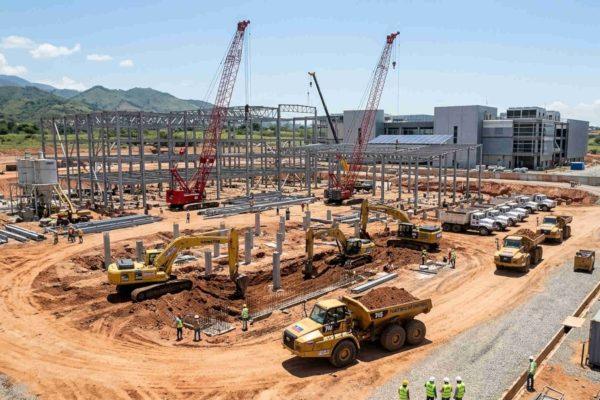
Texas regulators have pulled the plug on their automated environmental permitting system after a glitch allowed data centers to slip through a state-mandated pause. The Texas Commission on Environmental Quality (TCEQ) deactivated the STEERS portal after discovering that several tech facilities had secured stormwater permits without human oversight, despite Governor Greg Abbott's order to halt new approvals.
The shutdown came after environmental organizations, including Public Citizen and the FracTracker Alliance, exposed at least six new permits issued to digital infrastructure projects during the moratorium. These permits, meant to control runoff from construction sites, were granted automatically by the system, bypassing the review process designed to protect local water sources.
Automated system fails to catch data center approvals
The glitch in STEERS, which stands for State of Texas Environmental Electronic Reporting System, allowed applications to be validated without a human regulator inspecting them. This meant that data centers, which are notorious for their massive water and energy consumption, could begin construction without the environmental scrutiny required by the pause.
Governor Abbott's original directive aimed to freeze new data center installations until the state could assess their cumulative impact on the power grid and water supplies. The automated approvals undermined that effort, forcing TCEQ to revert to paper applications and in-person submissions for all environmental permits.
“This is a clear example of how technology can outpace oversight,” said a TCEQ spokesperson. “We are committed to ensuring that every project is thoroughly reviewed before it moves forward.”
The decision to go back to paper is a temporary measure, but it signals a broader concern about the rapid growth of data centers across Texas. These facilities, often built to support AI and cloud computing, require enormous amounts of electricity and water for cooling, putting strain on local utilities and the environment.
Texas is not alone in facing these challenges. In neighboring New Mexico, Oracle's $165 billion data center project has drawn scrutiny over its water and power demands, as reported by our coverage of that project. Similarly, communities in Pennsylvania and Kansas have resisted data center proposals, with some offering cash incentives to attract them, as seen in this small town's resistance and this Kansas town's offer.
For Latino communities in Texas, the impact of data centers is particularly acute. Many of these facilities are located in rural and border areas, where water resources are already scarce. The AI data centers along the Texas-New Mexico border have raised alarms about climate and water sustainability, affecting local residents who depend on the same aquifers.
The TCEQ's move to disable STEERS is a step toward restoring trust in the regulatory process. But it also highlights the need for a more robust framework that can keep pace with technological advancements without sacrificing environmental protections.
“We need to find a balance between innovation and responsibility,” said a representative from Public Citizen. “The automated system was supposed to streamline the process, but it ended up creating loopholes that could harm our communities.”
As Texas transitions to manual reviews, the backlog of applications is expected to grow, delaying projects that are not related to data centers. However, state officials argue that the extra scrutiny is necessary to ensure that no other permits slip through the cracks.
For now, the STEERS portal remains offline, and all environmental permit applications must be submitted in person. The TCEQ has not announced a timeline for when the automated system might be reactivated, but it will likely require significant upgrades to prevent similar glitches in the future.
This incident serves as a cautionary tale for other states grappling with the data center boom. As the demand for AI and cloud services grows, so does the pressure on natural resources. The key is to ensure that technological progress does not come at the expense of the environment or the communities that call these regions home.