For the first time in months, Southern California is catching a break from the relentless threat of wildfires. A historically strong El Niño has brought much-needed rain to the region, significantly reducing the likelihood of massive autumn conflagrations. But as the flames subside, a new set of dangers is emerging—flash floods, mudslides, and debris flows that threaten hillside communities already scarred by recent burns.
The shift has been dramatic. Recent storms have dumped heavy rain across Los Angeles and Ventura counties, flooding parts of Highway 101 and leaving rock debris near Agua Dulce. A landslide partially blocked Highway 41 on the Central Coast. These are the less-publicized consequences of a wet season that is both a relief and a reminder of nature's complexity.
Rain quenches dry brush, but not everywhere
Meteorologist Matt Shameson from the US Forest Service confirms that autumn precipitation has boosted moisture levels in grasses, shrubs, and soil across the region. This is exactly what El Niño does—it slows down the fires by dampening the landscape. But the effect is uneven. While areas like San Diego and Orange counties received 1 to 3 inches of rain from remnants of Tropical Storm Rachel and Hurricane Marie, Los Angeles and Ventura got less than a tenth of an inch.
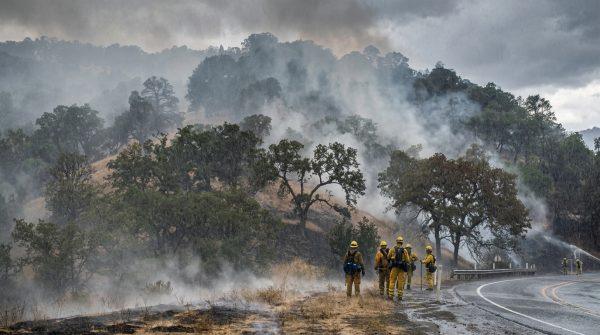
That disparity keeps fire officials on edge. Battalion Chief David Acuña from CAL FIRE warns that high temperatures and dry Santa Ana winds can quickly dry out vegetation, reigniting dangerous conditions before the next storm arrives. The recent Norte Fire in Orange County, which burned 24.8 million square feet and damaged or destroyed at least seven hillside structures in San Juan Capistrano, is a stark reminder of how vulnerable the region remains.
Statistics from the National Interagency Fire Center show that the average daily probability of a major wildfire in Southern California is around 22% during July and August. By October, that risk drops to nearly 5%—but only if moisture stays high and winds stay calm. That's a big 'if' in a state where the weather can change in an instant.
Burn scars become flood zones
One of the most insidious effects of wildfires is that they alter the soil itself. Extreme heat vaporizes organic matter and creates a hydrophobic layer that repels water. When heavy rain falls on these burn scars, it runs off quickly, picking up ash, rocks, and debris. That's why the same storms that quench the landscape can also trigger devastating mudslides.
Emergency agencies are already responding. The Los Angeles Fire Department has reinforced its swiftwater rescue teams, and municipal crews under Mayor Karen Bass have cleared more than 31,000 storm drains, focusing on vulnerable areas like Pacific Palisades. The National Weather Service anticipates more rain, potential thunderstorms, and even a low probability of tornadoes in Ventura County before conditions dry out over the weekend.
This is a new reality for California, where climate change is making weather patterns more extreme. The state has seen tropical cyclone remnants reach its shores for three to four consecutive years—a frequency that used to occur only once every five to ten years. That cumulative moisture has helped ease drought conditions, but it also means more intense rain events when they do arrive.
The 2025–2026 water year, which ended on September 30, recorded 22.61 inches of precipitation—about 95% of the historical average, according to the California Department of Water Resources. That follows two near-normal water years, the longest such streak since the 1990s. While mountain snowpack is still building, the outlook for water supply is cautiously optimistic.
Still, fire authorities urge residents not to let their guard down. The Mountain Fire in Ventura County in November 2024 and the Los Angeles firestorm in January 2025 are fresh reminders that wildfire season is no longer confined to summer. As climate projections warn of harsher droughts, the state must prepare for a future where fire and flood go hand in hand.
For now, the rain is a welcome reprieve. But as any Californian knows, the next storm—or the next dry spell—is always just around the corner. And with El Niño bringing unusual visitors to the coast, the state's resilience is being tested in ways both expected and surprising.