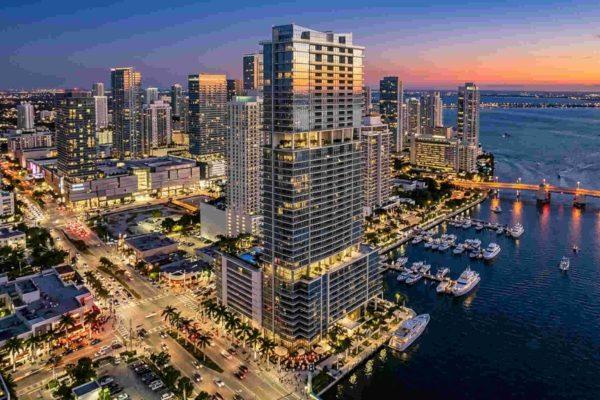
For months, residents of The Club at Brickell Bay have watched their luxury high-rise transform into something they never signed up for: a revolving door of tourists, partygoers, and strangers wandering the hallways at all hours. The constant noise, the overcrowded elevators, and the chaos in common areas have turned daily life into a nightmare. Now, the City of Miami has stepped in, issuing a formal citation against the condominium for operating as a hotel without the required Certificate of Use.
An illegal hotel hiding in plain sight
According to city inspectors, roughly 500 of the building's 643 units are being rented out on platforms like Airbnb for short-term stays. That means nearly 85% of the tower is functioning as a de facto hotel, despite being zoned and sold as a residential condominium. The board of directors now faces fines of up to $5,000 per day if they don't halt the unauthorized rentals within ten days.
This isn't just a paperwork issue. Residents describe a building under siege: strangers streaming in and out, parties spilling into hallways, and a complete lack of accountability in shared spaces. One long-time owner told local media, "We bought here for the peace and the views, not to live above a nightclub." The situation has become so untenable that neighbors have been pleading with city officials for months to intervene.
Board members profiting while residents suffer
The investigation into The Club at Brickell Bay uncovered something even more troubling: some board members themselves are running short-term rental businesses from afar, without ever living in the building. Investors have reportedly subdivided two-bedroom apartments with makeshift walls to cram in up to fourteen guests per night, raking in hefty profits while the building's infrastructure strains under the pressure.
These makeshift partitions are not just an eyesore—they're a serious safety hazard. City officials have flagged the situation as a life-safety risk, especially after a series of balcony incidents in other Miami towers raised alarms about overcrowding and structural integrity. Yet, managers have ignored shutdown orders, unwilling to give up the $300-a-night rates that make these illegal rentals so lucrative.
The situation in Brickell is part of a broader pattern across Miami, where the unchecked growth of short-term rentals has eroded the quality of life in residential buildings. As Miami's luxury towers face structural challenges, the added strain of constant guest traffic only makes things worse.
A costly legal battle ahead
Now, the condominium's board is at a crossroads. Regularizing the building's status would require significant upgrades to meet fire safety and accessibility standards—investments that could run into the millions. Some owners are pushing to return to long-term leases, while others want to fight the citation by hiring politically connected law firms. Meanwhile, residents are furious that community funds are being spent to defend what they see as an illegal operation.
City officials say this crackdown is meant to send a clear message: Miami will not tolerate the reckless use of platforms like Airbnb to turn residential buildings into unlicensed hotels. As one code enforcement officer put it, "We're not against short-term rentals per se, but they have to be done legally and safely. This building is neither."
For the people who call The Club at Brickell Bay home, the citation is a long-overdue step toward reclaiming their peace. But the fight is far from over. The board has ten days to respond, and the outcome could set a precedent for how Miami handles similar situations in other condominiums. As the city continues to grapple with the fallout of the Art Basel deal and other major events that draw crowds, the tension between tourism and residential life is only likely to grow.
In the meantime, residents are left wondering if the board will finally listen—or if they'll have to keep fighting for the right to a quiet home in the heart of Brickell.