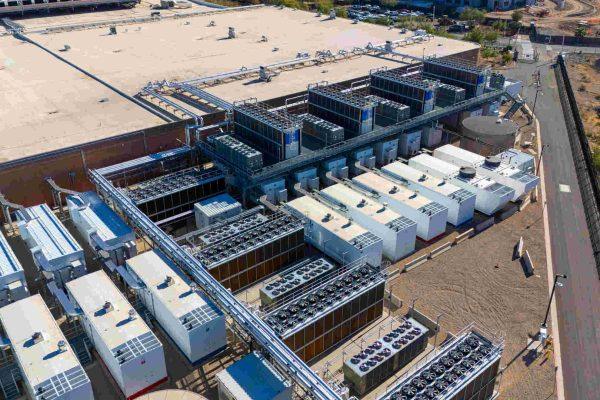
In an unusual move to win over a skeptical community, tech giant Digital Realty has offered residents of De Soto, Kansas a direct financial incentive: $1,000 per household every year for a decade. The proposal, part of a $20 million community investment package, is designed to ease local opposition to a massive data center project that would span up to 1,400 acres.
The offer comes as the company prepares to break ground on an initial 280-acre phase. For residents of this quiet Midwestern town, the payments would arrive as credits on property taxes and utility bills, a tangible attempt to address fears of rising living costs and strain on local water resources.
Why the money?
Digital Realty's strategy is a direct response to growing resistance from residents who worry about the environmental footprint of such facilities. Polls show that many Americans are wary of data centers moving into their neighborhoods, citing concerns about excessive water and power consumption. By putting cash directly into the hands of families, the company hopes to neutralize those anxieties before operations begin.
CEO Andy Power emphasized the importance of the project for the modern economy, noting that it will create 250 permanent jobs for local suppliers and thousands of temporary construction roles. But analysts point out that neighbors remain focused on the constant hum of cooling turbines and the potential for higher electricity bills. The payment plan, they say, is a clear attempt to buy peace.
This is not the first time a tech company has tried to sweeten the deal for a host community. AI data centers along the Texas-New Mexico border have faced similar backlash over environmental costs, though few have resorted to such direct compensation.
For De Soto, the stakes are high. The town could become a model for how big tech and local communities negotiate the future of digital infrastructure. But some residents remain skeptical, questioning whether a decade of payments is enough to offset the long-term impact on their quality of life.
Digital Realty, with a market value exceeding $67 billion and clients like Amazon Web Services, Microsoft, and Nvidia, is betting that this mutual-benefit approach will set a new precedent. As municipal authorities work out the eligibility criteria for the payments, all eyes are on this small Kansas town to see if money can indeed buy harmony.
For now, the debate continues. While some see the offer as a lifeline for the local economy, others view it as a bribe to silence legitimate concerns. The outcome of this experiment could shape how data centers are welcomed—or resisted—across the country.