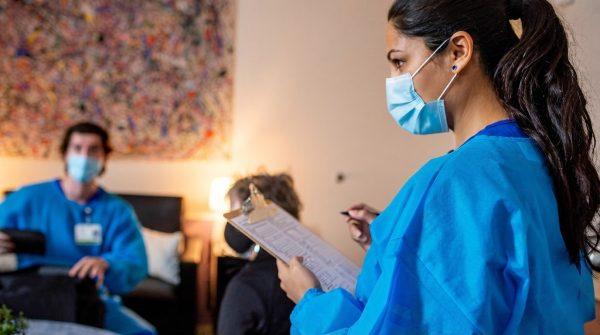
Texas is taking a significant step to address its nursing shortage. Governor Greg Abbott has announced more than $5.6 million in grants to eight colleges and universities across the state. The funding, part of the Nursing Innovation Grant Program, aims to modernize training and prepare a new generation of healthcare professionals.
The need is urgent. Analysts project that Texas could face a shortfall of tens of thousands of registered nurses by the early 2030s if current graduation rates don't improve. With a rapidly growing population—especially in cities like Houston, Austin, and San Antonio—hospitals are feeling the strain. This investment is designed to expand capacity and make nursing education more accessible.
Where the money goes
The grants are distributed among eight institutions, with each receiving a substantial boost. Alamo Community College gets $748,736, while Austin Community College and the University of Houston each receive $750,000. The University of Texas at Austin is allocated $459,840. Other institutions, including community colleges and regional universities, also benefit from the program.
These funds will be used to develop innovative curricula, expand clinical training spaces, and create flexible pathways for students. The Texas Higher Education Coordinating Board oversees the program, ensuring that each institution meets strict quality standards. The application period closed on June 1, 2026, and the projects will run from September 1, 2026, through August 31, 2028.
Bobby Wilkinson, who leads the coordinating board, emphasized the importance of collaboration. "This program shows what we can achieve when the state and our educational institutions work together," he said. "We're not just adding seats in classrooms—we're rethinking how nurses are trained to meet the demands of modern healthcare."
Building a stronger healthcare workforce
The initiative is part of a broader effort to strengthen Texas's healthcare system. By investing in education, the state hopes to reduce the burden on existing nurses and improve patient care across all communities, including rural and underserved areas. For Latino families, who often face barriers to healthcare access, having more nurses can make a real difference.
For those considering a career in nursing, this is an opportune moment. The grants will create new educational opportunities, and the state is actively encouraging students to explore these paths. As healthcare costs remain a concern, investing in the workforce is a long-term solution.
Beyond the financial boost, the program emphasizes accountability. Periodic audits will track progress, and institutions must demonstrate tangible results. This ensures that the money is used effectively and that students receive the training they need to succeed.
For many, nursing is more than a job—it's a calling. As Texas grows, so does the need for compassionate, skilled professionals. This investment is a step toward ensuring that every Texan has access to quality care, no matter where they live.
If you're interested in a nursing career, now is the time to explore your options. Check with your local community college or university for program details and application deadlines. The future of healthcare in Texas depends on the next generation of nurses.