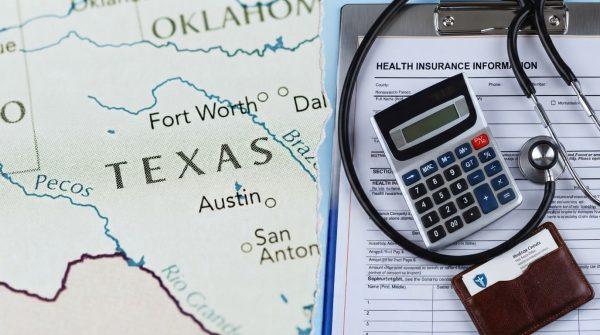
In Austin, Governor Greg Abbott has rolled out an ambitious plan to tackle the rising cost of health insurance in Texas. The proposal, introduced in 2026, is designed to ease the financial strain on small businesses and working families by cutting premiums and offering more flexible coverage options. State officials project that the average family could save more than $1,000 annually, a move that responds to the affordability crisis highlighted by the National Federation of Independent Business (NFIB).
The plan centers on exempting businesses from certain state insurance mandates, giving them more leeway to choose plans that fit their budgets. For many small employers, this is a welcome shift. According to NFIB records, 95% of small businesses in Texas face severe operational difficulties due to the high cost of health policies. The lack of affordable options has forced some owners to cut staff or reduce benefits, leaving thousands of employees without timely access to quality medical care.
What the plan means for small businesses
For Latino-owned businesses, which are a growing force in Texas's economy, the potential savings could be transformative. Many of these enterprises operate on thin margins, and health insurance costs often eat into profits. The new exemptions would allow owners to redirect funds toward growth and hiring, rather than just covering premiums. As one business owner in Houston put it, "Every dollar saved on insurance is a dollar we can invest in our people and our community."
The state is also launching digital platforms to streamline the process of purchasing flexible policies, making it easier for employers to compare options and enroll. Monthly premium reviews will help ensure that businesses aren't caught off guard by sudden rate hikes. Additionally, the plan includes specialized technical advice to guide small businesses in selecting the right coverage, with dialogue tables set up between government officials and sector leaders to monitor progress.
Beyond the immediate savings, the initiative aims to expand healthcare coverage to over a million new beneficiaries. This would be a significant step toward a more accessible and competitive healthcare system in Texas, where uninsured rates remain among the highest in the nation. The expansion is particularly relevant for Latino communities, who make up a large share of the uninsured population in the state.
The plan has drawn support from business groups and community leaders, who see it as a lifeline for independent workers and small enterprises. However, some public health experts urge caution, noting that regulatory exemptions must not compromise the quality of care. They emphasize the need for ongoing monitoring to ensure that savings don't come at the expense of essential benefits.
As the legislative process moves forward, the state is also considering a permanent relief fund to protect independent workers from federal market fluctuations. This would complement the current reforms and provide a safety net for those who fall through the cracks. The governor's office has reaffirmed its commitment to fiscal stability while pursuing these changes.
For Texas families, the promise of lower premiums is a welcome relief. With the cost of living rising, especially in cities like Austin and Houston, any reduction in healthcare expenses can make a significant difference. The plan also aligns with broader efforts to address housing affordability, as seen in recent initiatives to add thousands of affordable units across the state.
While the full impact of the plan remains to be seen, early projections are encouraging. If successful, Texas could become a model for other states grappling with healthcare costs. For now, small business owners and families are watching closely, hopeful that this time, the system will work in their favor.