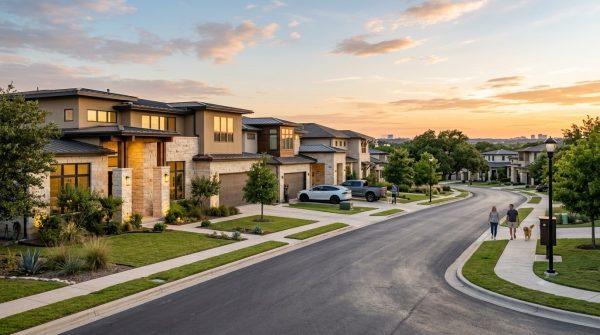
For Latino families across Texas—whether you're a first-generation buyer in Houston or a seller in San Antonio—the housing market in 2027 is shaping up to be a complex landscape. Projections from the Texas Real Estate Research Center show that while prices may moderate in some areas, the overall trend remains upward, driven by persistent demand and limited supply.
In cities like Austin, Dallas, and Houston, the influx of new residents continues to strain housing availability. This migration, much of it from other states and from Latin America, keeps pressure on prices even as mortgage rates fluctuate. The Federal Reserve's monetary policy has made borrowing more expensive, but for many Latino buyers, homeownership remains a key part of building generational wealth.
Key Factors Shaping the Market
Several elements are influencing Texas home prices as we approach 2027. First, inflation is showing signs of cooling, but construction costs—especially for materials like lumber and concrete—remain high. This limits new housing starts, particularly in fast-growing suburbs of Dallas-Fort Worth and the Rio Grande Valley.
Second, wage growth in Texas has been uneven. While sectors like tech and healthcare have seen gains, many Latino workers in construction, hospitality, and agriculture face stagnant pay. The U.S. Bureau of Labor Statistics reports that median household income in Texas has not kept pace with rising home prices, making affordability a central concern.
Third, inventory levels are tight. According to the Texas Real Estate Research Center, months of supply in major metros hover around 2.5, well below the balanced market threshold of 6. This gives sellers an edge, but buyers who act strategically can still find opportunities.
For those considering a purchase, it's worth exploring how buyers gained leverage in 2026—a trend that may continue into 2027 as interest rates stabilize.
What This Means for Latino Homebuyers
Latino buyers, who make up a growing share of Texas's housing market, face unique challenges. Many rely on multigenerational households to afford down payments, but rising property taxes and insurance costs can strain budgets. In cities like El Paso and McAllen, where Latino communities are the majority, the dream of homeownership is still alive but requires careful planning.
Experts recommend focusing on regions with strong job growth and relatively affordable prices. For example, San Antonio and Fort Worth offer more entry-level options than Austin or Dallas. Meanwhile, where Latino buyers should look now includes neighborhoods with good schools and transit access.
Renting may also be a smarter short-term move for some. As this analysis shows, renting allows families to save while waiting for better buying conditions. Apartment rents in Texas dipped 2.1% in 2026, offering relief for Latino renters.
Strategies for Sellers and Investors
For sellers, 2027 could still be a favorable market if you price realistically. Homes in desirable school districts and near job centers will attract buyers, especially those relocating from California or the Northeast. However, overpricing can lead to longer days on market.
Investors should watch inventory levels and interest rate trends. Diversifying into rental properties or mixed-use developments can hedge against volatility. The resilience of Texas's economy—bolstered by energy, tech, and agriculture—makes it a safer bet than many other states.
Ultimately, patience and flexibility are key. Whether you're buying a first home in Houston or selling a property in Austin, staying informed through reliable sources like the Texas Real Estate Research Center and the National Association of REALTORS® will help you navigate the shifts ahead.