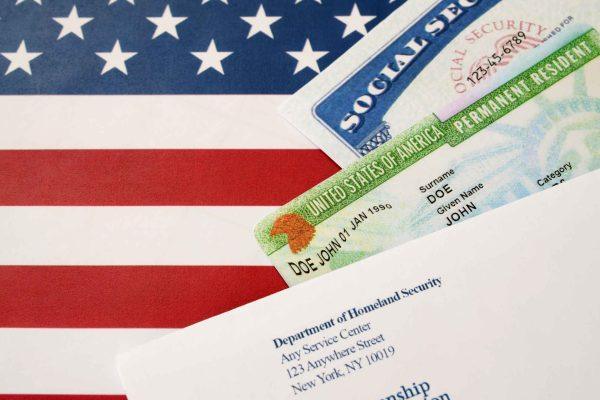
Starting September 18, the Trump administration is rolling out stricter public charge rules that could block thousands of green card applicants in New York and across the country. The policy, which targets immigrants who use certain public benefits, has community advocates sounding the alarm. They say it's not about saving taxpayer money—it's about scaring working families away from the help they need.
Under the revised rule, U.S. Citizenship and Immigration Services (USCIS) can deny permanent residency to anyone deemed likely to become a "public charge." That includes people who have used Medicaid, food stamps (SNAP), housing vouchers, or other federal assistance programs. The change is especially harsh for mixed-status families, where some members are U.S. citizens or legal residents and others are applying for green cards.
Real Risks for Mixed-Status Families
For many Latino families in New York, the choice between caring for a child's health and protecting a parent's immigration status is now painfully real. "This policy forces parents to make impossible decisions," said a spokesperson for the New York Immigration Coalition. "They're being asked to choose between their children's well-being and their own legal future."
Cabrini Immigrant Services echoed that sentiment, noting that the rule creates a climate of fear that discourages people from seeking medical care or nutritional support. The irony, advocates point out, is that these programs are designed to keep families healthy and stable—exactly the kind of foundation that helps immigrants integrate and thrive.
It's important to understand that not every public benefit triggers a public charge determination. For example, emergency Medicaid, school lunch programs, and the Supplemental Nutrition Program for Women, Infants, and Children (WIC) are generally safe. But the confusion is real, and misinformation can lead to costly mistakes.
Where to Get Reliable Help
New York City's Mayor's Office of Immigrant Affairs (MOIA) has a free hotline for confidential legal advice. By calling 1-800-354-0365, residents can speak with trained professionals who can explain which benefits are safe to use and which could affect their green card application. "The best defense is accurate information," said a MOIA representative. "Don't make decisions based on fear. Call us first."
Community organizations are also ramping up outreach, hosting workshops in Spanish and English across neighborhoods like Washington Heights, Corona, and Sunset Park. They emphasize that the public charge rule does not apply to all immigrants—refugees, asylees, and certain other categories are exempt. But for those applying for a green card through family or employment, the stakes are high.
As the September 18 deadline approaches, advocates urge everyone to seek professional guidance before dropping benefits. "This is not the time to go it alone," said a lawyer from the New York Legal Assistance Group. "A few minutes on the phone could save your family's future."
For more on how health policy changes affect the Latino community, read our guide on NY Health Plan Changes: What Bicultural Latinos Need to Know About Affordable Options. And if you're in Florida, check out Florida Public Schools Tighten Open Enrollment: What Latino Families Need to Know.