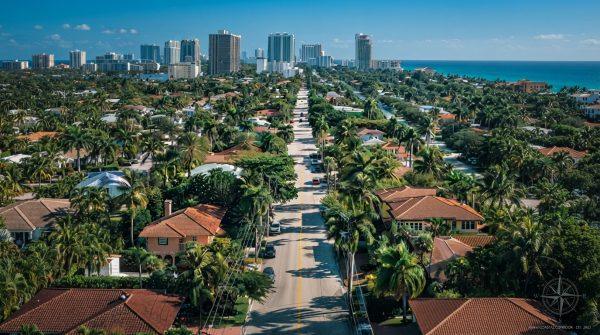
Texas has long been a magnet for families and investors seeking opportunity, and the current housing market reflects that momentum. With major corporations moving their headquarters to the Lone Star State and job growth accelerating, financial analysts are flagging an imminent surge in home prices. For Latino buyers—who already make up a significant share of Texas homeownership—this moment presents both a challenge and a window of opportunity.
The state's appeal isn't just about warm weather or wide-open spaces. Texas offers a business-friendly environment, no state income tax, and a cost of living that remains competitive compared to coastal hubs. But as demand rises, so do prices. Experts point to several cities where acting sooner rather than later could make a real difference for buyers.
Dallas-Fort Worth: A Tech Hub with Double-Digit Returns
The Dallas-Fort Worth metroplex continues to attract attention from both homebuyers and investors. Submarkets like Arlington and Grand Prairie are reporting gross rental yields between 10% and 15% monthly, making them some of the most lucrative areas in the state. The influx of tech companies—many relocating from California—has pushed demand higher, and prices are expected to follow. For Latino families looking to settle in a region with strong job prospects and cultural diversity, this area remains a top contender.
As we've noted in our coverage of Texas overtaking California in Fortune 500 headquarters, the economic shift is real and reshaping where people choose to live.
Houston: Affordability Meets Opportunity
Houston offers a different kind of value. While it's a major metropolis, the city still provides relatively affordable entry points, especially in neighborhoods like Katy and Pasadena. The absence of a state income tax means property owners keep more of their rental income, which is a major draw for investors. For Latino buyers, Houston's vibrant communities and strong job market—particularly in healthcare and energy—make it a solid choice for long-term stability.
San Antonio and Lubbock: Hidden Gems for Buyers
San Antonio is often overlooked in favor of its larger neighbors, but it shouldn't be. According to recent Zillow reports, the city offers a user-friendly market with low vacancy risks, thanks to a strong presence of healthcare institutions and military bases. Areas like Converse and Live Oak are particularly attractive for first-time buyers.
Meanwhile, Lubbock is emerging as a university-driven market. Texas Tech University fuels a steady demand for housing, and investors are seeing double-digit returns. For those who prioritize educational opportunities and a lower cost of living, Lubbock is worth a closer look.
Of course, Austin remains a powerhouse, with high tech employment density keeping prices elevated. But for buyers who want to balance growth with affordability, the other cities offer compelling alternatives.
What Latino Buyers Should Keep in Mind
The current moment favors those who act with information. As we've discussed in how Latino buyers can seize the U.S. housing market shift in 2026, understanding local financing metrics and market trends is key. The window for locking in prices before a generalized hike is narrowing, but it's still open.
For those considering renting, there's also good news: Texas apartment rents have dipped 2.1% in 2026, offering some relief for renters who may want to wait before buying.
Ultimately, the Texas housing market is at a turning point. For Latino buyers and investors, the key is to move with intention, backed by solid research and a clear understanding of what each city offers. Whether you're looking for a family home or an investment property, Texas still has room for those who act wisely.