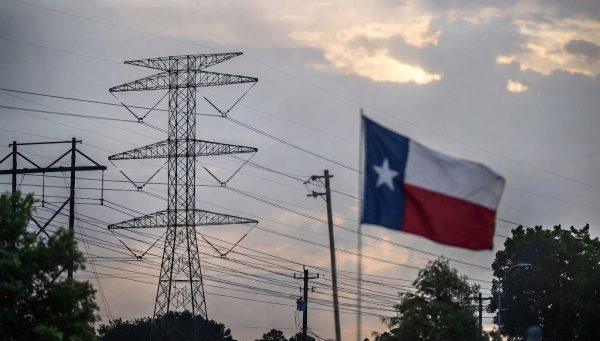
Summer in Texas means relentless heat, and for many families, that also means sky-high electricity bills. When temperatures climb, air conditioners work overtime, and the cost can quickly become overwhelming. But there's a safety net: state rules that protect you from losing power during the worst of the heat.
The Public Utility Commission of Texas (PUCT) requires electricity providers to suspend disconnections for non-payment whenever the National Weather Service issues an extreme heat advisory for your county. That means if you're struggling to pay your bill during a heat wave, your service cannot be cut off. The same protections apply during severe winter emergencies, so you're covered year-round.
Know your rights under Texas heat rules
These protections aren't automatic—you need to know they exist and how to use them. If you receive a disconnection notice, contact your retail electricity provider immediately. They are required to offer you a deferred payment plan that lets you catch up over time, without penalties or late fees. Don't wait until the last minute; the earlier you reach out, the more options you have.
For households with medical needs, there are extra layers of protection. If someone in your home relies on electrically powered medical equipment, you can register for critical care status. This designation prevents disconnection and gives you priority during outages. You'll need a medical certification from a healthcare professional, and you may have to renew it periodically. Similarly, a chronic condition registry provides advance notice before any planned outages, so you can prepare.
These rules are enforced by the Electric Reliability Council of Texas (ERCOT), which oversees the state's power grid. ERCOT's mandate is clear: no shutoffs during declared heat emergencies. But it's up to you to stay informed and proactive.
What to do if you're behind on your bill
If you're already past due, don't panic. Start by calling your provider and asking for a payment arrangement. Many companies have flexible options, and they're required to work with you under state law. If you feel your provider isn't following the rules, file a complaint with the PUCT Consumer Protection Division. They can investigate and intervene on your behalf.
Financial assistance is also available. In Dallas County, the Comprehensive Energy Assistance Program helps eligible families with their energy costs. In Fort Worth, Tarrant Community Action Partners offers similar support. You can also dial 211 to find local resources in your area. These programs are designed to help you keep your lights on, so don't hesitate to reach out.
It's important to remember that payment plans and assistance don't erase your debt—they give you breathing room. Budgeting for higher summer bills is wise, but when the unexpected happens, these protections are there to keep your family safe.
As climate patterns shift, extreme heat is becoming more common. El Niño's extreme swings are already affecting weather across the country, and Texas is no exception. Staying informed about your rights is the best way to protect your home and your peace of mind.
For more on how Texas is handling energy challenges, check out our coverage on data center regulation and the state's booming housing market. And if you're curious about how other states are coping, our piece on New York's high electricity rates offers a contrast.
Remember, the heat won't let up, but neither will the protections designed to keep you connected. Know your rights, use your resources, and stay cool.