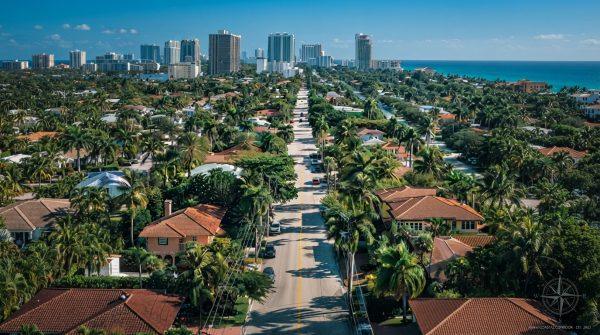
Texas has cemented its place as the nation's housing powerhouse, according to WalletHub's latest annual ranking of the best real estate markets. The state's suburbs, led by Frisco and McKinney, claimed the top two spots, while traditional coastal giants like New York, Los Angeles, and San Francisco languished near the bottom of the 300-city list.
The report highlights a dramatic shift in where Americans can realistically afford to buy a home. Texas's success isn't just about low prices—it's about a healthy balance of new construction, building permits, and job growth that keeps the market dynamic. For Latino families and other first-time buyers, this translates into more attainable paths to homeownership, a stark contrast to the coastal markets where prices have spiraled out of reach.
Coastal collapse vs. southern strength
New York (231), Los Angeles (237), and San Francisco (273) all ranked in the bottom quarter of WalletHub's list. The reason is simple: supply hasn't kept up with demand, and the cost of entry has become prohibitive for most working families. As a result, the American dream of owning a home is increasingly a southern reality.
This trend is particularly relevant for Latino buyers, who are disproportionately affected by housing affordability challenges. A recent analysis of zip codes where Latino buyers face the toughest markets shows that coastal metros are often the most difficult. In contrast, Texas's aggressive building boom is opening doors.
WalletHub's methodology weighed factors like median home price appreciation, property taxes, and the rate of homeownership. Texas's top performers, including Frisco, McKinney, and several other suburbs in the Dallas–Fort Worth metroplex, excelled because of their robust construction pipelines and strong local economies.
Austin leads the affordability turnaround
While the overall market remains competitive, there's good news for first-time buyers in central Texas. According to Redfin, Austin saw the nation's biggest year-over-year drop in the income needed to buy a median-priced home. That relief is spreading to Dallas, Houston, and San Antonio, where price growth has cooled significantly after years of rapid increases.
This deceleration offers a much-needed breather for families who were priced out during the pandemic-era boom. It also signals a more sustainable market, one where wages can keep pace with home prices. For many Latinos in Texas, this is a welcome shift after years of feeling locked out.
Still, challenges remain. Property taxes in Texas are among the highest in the nation, and the state's rapid growth has strained infrastructure. But for now, the balance of opportunity is clearly tilted toward the Lone Star State.
As the housing market evolves, other regions are watching Texas closely. The state's model—build more, keep costs manageable, and let job growth drive demand—is proving resilient. For buyers who feel priced out of the coasts, Texas offers a viable alternative, and the numbers back it up.