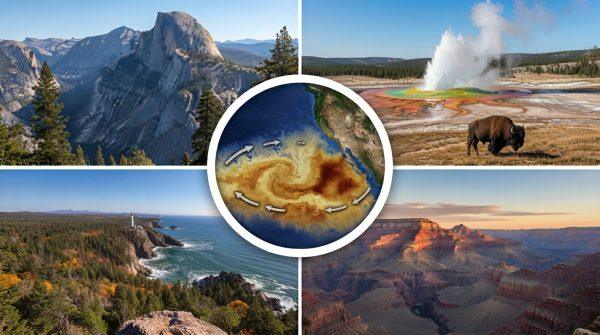
El Niño is back, and this time it's bringing a dramatic shift in weather patterns that will be felt across America's most iconic national parks. From the Sierra Nevada to the Florida Everglades, the coming months promise a season of stark contrasts, with some regions bracing for torrential rains and others facing drier, warmer conditions. For Latino travelers and outdoor enthusiasts, this means planning any park visit will require extra attention to forecasts and park alerts.
The National Oceanic and Atmospheric Administration (NOAA) estimates a greater than 90% chance that this El Niño will reach extraordinary strength in the coming months. That's a sobering statistic, especially when you consider that there's also a 69% probability it could surpass the strongest El Niño on record since 1950. The last time we saw something this powerful, the effects were felt from California's coast to the Gulf of Mexico, and this year promises to be no different.
What El Niño means for the parks
El Niño is a climate phenomenon that originates in the Pacific Ocean, but its ripples are felt far beyond. In the United States, it typically brings wetter, cooler conditions to the South and Southwest, while the Pacific Northwest and parts of the Midwest often see drier, warmer weather. For national parks, this translates into a mixed bag of challenges and opportunities.
In California, Yosemite National Park is expected to be at the epicenter of the storm track. Paul Pastelok, a meteorologist with AccuWeather, explains that the Sierra Nevada and Yosemite typically receive massive volumes of water and snow during strong El Niño events. That could mean spectacular snowpack for skiers and snowboarders, but it also raises the risk of avalanches, flash floods, and road closures. Park officials are already warning visitors to check conditions before heading out, as trails and access routes could become unstable.
Death Valley National Park, known as the hottest place on Earth, is also bracing for a wild ride. The arid landscape is particularly vulnerable to sudden, high-magnitude precipitation events, which can trigger landslides and damage infrastructure. The park has seen such extremes before—like the unusually heavy snowfalls that blanketed Scotty's Castle in the winter of 1929-1930—and this year could bring similar surprises.
Meanwhile, Yellowstone National Park is expected to experience warmer and drier winters, which will alter snow accumulation patterns and affect local wildlife. For the park's famous bison and elk, this could mean changes in migration routes and feeding habits. In the Everglades, the story is different: severe storms and high Atlantic temperatures are likely to bring recurrent flooding, reshaping water levels and the delicate balance of this unique wetland ecosystem.
For those of us who grew up with the rhythms of the tropics, El Niño is a familiar name. It's a reminder that our hemisphere is deeply interconnected, and that changes in the Pacific can have profound effects on the landscapes we love to explore. As forecasters predict a wet winter for Southern California, it's clear that the impacts will be widespread.
Preparing for the extremes
The National Park Service is taking this seriously. They're working with federal agencies to coordinate contingency plans, and they're using digital platforms to disseminate bilingual alerts about closures and hazards. For Spanish-speaking visitors, this is a welcome step, ensuring that critical safety information reaches everyone, regardless of language.
Researchers from institutions like the Scripps Institution of Oceanography are closely monitoring the situation, studying how these extreme weather events affect trails and biological corridors. Their work is crucial for understanding the long-term impacts of climate change on our natural sanctuaries.
For now, the message from park officials is clear: stay informed, be flexible, and always check the latest conditions before you go. Whether you're planning a hike in Yosemite or a camping trip in the Everglades, the weather this season will be anything but predictable. As we've seen with other climate-driven stories, like the reshaping of US winters, the effects are far-reaching.
So, as you plan your autumn and winter adventures, keep an eye on the sky and the official alerts. El Niño is a force of nature, and this year, it's set to remind us just how powerful it can be.