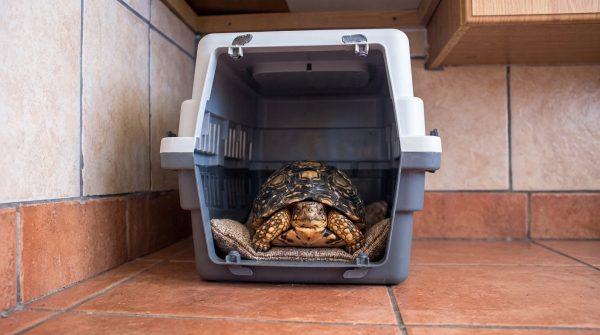
Los Angeles may be known for its entertainment industry and cultural diversity, but it also holds a darker, less visible role: a critical hub in the international illegal wildlife trade. Federal agents have intercepted massive shipments of endangered reptiles passing through Southern California's transit points, including Los Angeles International Airport and the Port of Los Angeles. These animals, often destined for buyers across Asia, are paying the ultimate price for a lucrative black market that thrives on high profit margins and global demand.
The trade is not just a distant problem; it directly threatens native species like the flattened musk turtle, which is found only in parts of Alabama. This small turtle, along with many other American turtles and tortoises, is being poached at alarming rates to supply the Asian market, where exotic pets and traditional medicine drive demand. The relentless pressure has pushed some species to the brink of extinction in the wild.
Rescue centers under strain
The impact of these seizures is felt most acutely at rescue facilities across Southern California. The Turtle Conservancy in Ojai, founded in 2005 by Eric Goode, has received 810 confiscated turtles and tortoises since 2017, with over 400 arriving in just a six-month span. This influx has pushed the center to its absolute operational limit, forcing conservationists to make difficult choices about which animals they can accept.
“We simply cannot take in more animals without risking the health of our existing residents,” says Goode. The center houses over 65 protected species, and mixing new arrivals poses extreme biosecurity risks. Each confiscated animal requires specialized food, veterinary care, and strict isolation protocols, all of which strain limited resources.
To cope, the Turtle Conservancy has expanded its physical footprint, building a 14,400-square-foot greenhouse and a 6,000-square-foot cold enclosure capable of housing 500 turtles. But even with these additions, the center cannot accept an additional 300 specimens. The financial burden is immense, and federal legislative efforts to provide dedicated funding remain stalled in Congress.
Judicial gaps and mortality rates
One of the most frustrating aspects for law enforcement is the lenient sentencing for wildlife traffickers. In a recent case, two brothers caught attempting to export 635 turtles valued at over $1 million received just one-year prison sentences and fines under $15,000. This disparity between the scale of the crime and the punishment highlights a systemic failure to treat wildlife trafficking as the serious organized crime it is.
“We need to align wildlife trafficking with racketeering and financial crime charges to secure longer prison terms and deter international syndicates,” says Sara Walker, senior wildlife trafficking advisor for the Association of Zoos and Aquariums. The AZA established the Wildlife Trafficking Confiscation Network three years ago to provide temporary housing for recovered animals across Southern California institutions, including the San Diego Zoo, Los Angeles Zoo, and Santa Ana Zoo. So far, the network has placed over 4,600 specimens across 135 cases.
Despite these efforts, mortality rates among rescued reptiles remain high. Many animals arrive severely dehydrated, crowded into tiny boxes, and stressed from illegal transit, leaving them vulnerable to fatal diseases. The rescue centers are doing their best, but the sheer volume of confiscations is overwhelming.
A call for stronger action
Conservationists and law enforcement are urging prosecutors to treat wildlife smuggling with the same severity as other transnational crimes. The pending Wildlife Trafficking Confiscation Network Act, which proposes $5 million annually over five years to care for confiscated animals and expand the network nationwide, has yet to be brought to a vote. Even if approved, media producer Jeremy McBride, who collaborated with Goode on the documentary series Monsters of God, argues that the proposed budget would be “a drop in the ocean” compared to the vast financial demands of the crisis.
The situation in Los Angeles is a stark reminder that the illegal wildlife trade is not just an Asian problem or an American problem—it is a global crisis that requires coordinated action. As authorities continue to intercept shipments and rescue animals, the need for stronger legal frameworks and increased funding becomes ever more urgent. For now, the turtles and tortoises that survive the journey are the lucky ones, but their future remains uncertain.
For those interested in the broader cultural and environmental issues affecting the Latino community, Los Angeles Día de Muertos 2026 offers a chance to reflect on heritage and community, while the city's record investment in affordable housing shows how local policies can shape lives. Meanwhile, privacy concerns over LAPD's license plate readers highlight the ongoing tension between security and civil liberties in our communities.