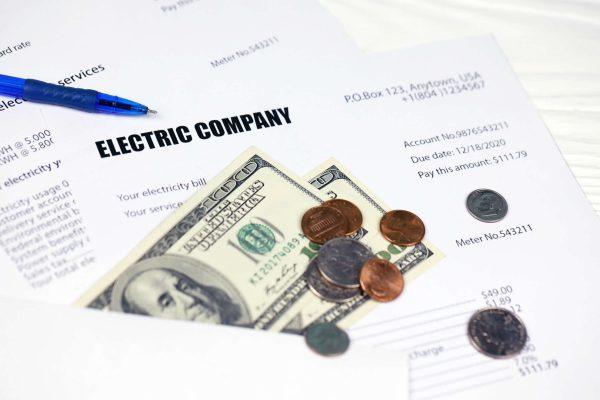
For millions of New Yorkers, the monthly ritual of opening the utility bill has become a source of dread. New data confirms what many already suspected: electricity rates in the Empire State have climbed to the third highest in the country, with the average residential price per kilowatt-hour jumping nearly 12% compared to last year. That spike far outpaces the national average, adding yet another layer of pressure to household budgets already stretched thin by soaring rents and grocery costs.
In New York City, the impact is especially acute. Residents in the five boroughs and surrounding areas now pay close to 30 cents per kilowatt-hour on average, a figure that towers over neighboring states like New Jersey and Pennsylvania. The gap isn't just a number—it translates into real dollars that families, many of them Latino, must scrape together each month. For a community that already faces higher rates of income inequality, the added burden of utility costs can mean tough choices between keeping the lights on and putting food on the table.
Why are New York's electricity bills so high?
The reasons behind these soaring rates are complex. Utility companies like Orange & Rockland are projecting towering summer bills even for moderate consumption, forcing households to take extreme precautions. The cost of natural gas, which powers many of the state's plants, also remains significantly above the national average, compounding the problem. But it's not just fuel prices—delivery charges, infrastructure upgrades, and local taxes all play a role in the final bill.
Political debate has intensified over what's driving the hikes. The Empire Center, a conservative think tank, points the finger squarely at New York's energy policies, arguing that aggressive green transition mandates and grid modernization costs are being passed on to consumers. On the other side, clean-energy advocates insist that investments in renewable sources and a more resilient grid are essential for the state's long-term future, even if they come with short-term pain.
For Latino families, the issue is not abstract. In neighborhoods like Washington Heights, Corona, and Bushwick, community organizations report that utility assistance programs are overwhelmed. Many residents, especially those who are undocumented or in mixed-status households, may be hesitant to seek help, fearing it could affect their immigration status. This creates a silent crisis, where families simply endure the heat or cut back on other necessities.
As the summer heat intensifies, the pressure only grows. Air conditioning becomes a necessity, not a luxury, and the cost of staying cool can push already tight budgets over the edge. Some families are turning to creative solutions—like using a simple AC setting that cuts your summer electricity bill—but these are stopgap measures, not long-term fixes.
The debate over energy policy is likely to continue, but for now, New Yorkers are left to navigate a system that feels increasingly unaffordable. The state's leaders face a tough balancing act: meeting climate goals while ensuring that the transition doesn't leave working families behind. For the Latino community, which has a deep stake in both environmental justice and economic survival, the outcome of this debate will have lasting consequences.
In the meantime, residents are urged to explore every available resource, from payment assistance programs to energy efficiency rebates. But as one community advocate put it, "We can't budget our way out of a systemic problem." The hope is that policymakers will listen—not just to the numbers, but to the stories behind them.