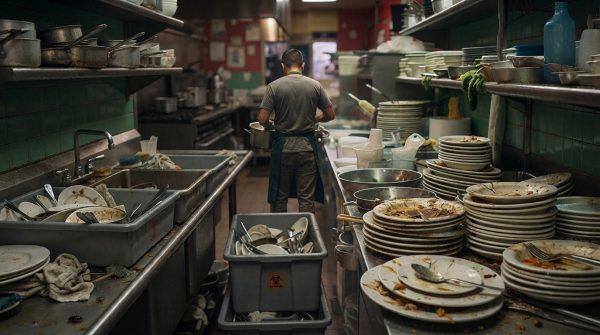
South Florida’s dining scene is under a microscope this month, and for good reason. State health inspectors have shut down 13 restaurants and food-service operations across Miami-Dade, Broward, and Palm Beach counties after uncovering serious sanitation violations—from rodent droppings to live roaches and broken cold chains. The crackdown, led by the Florida Department of Business and Professional Regulation (DBPR), comes amid heightened scrutiny of food safety in the region.
Among the most alarming cases is Brass Monkey Sports Bar in Miami, where inspectors found accumulated rodent droppings, food stored at unsafe temperatures, and a complete failure to maintain proper cold-chain protocols. Similarly, Gourmet Creole in Broward was cited for insect infestations, improperly stored meats, and residue buildup that posed serious biological risks. These are not isolated incidents—they reflect a broader pattern of neglect that regulators say endangers public health.
Inspection blitz targets repeat offenders
The DBPR’s surprise sweeps are part of a broader effort to enforce compliance with Florida’s strict health codes. Inspectors respond to both routine reviews and citizen complaints, and this month’s operations have focused on establishments that have failed basic food handling and temperature control standards. The agency has made clear that any venue found in violation must correct every deficiency before it can reopen its doors.
“These inspections are not about punishing small businesses—they’re about protecting consumers,” said a DBPR spokesperson. “When we find vermin or broken refrigeration, we have no choice but to issue immediate suspension orders.” The agency also reminded owners that they must pass a mandatory reinspection, which includes paying administrative fees and demonstrating full compliance with health laws.
The crackdown comes at a time when Florida's public health challenges are already in the spotlight, and the state’s booming population—including a growing Latino community—means more people are eating out than ever before. For many families, these closures are a stark reminder of the importance of food safety, especially in a region where Latino heritage runs deep and culinary traditions are a source of pride.
Full list of penalized establishments
- Brass Monkey Sports Bar (Miami): Rodent droppings, out-of-temperature foods, and cold-chain failures.
- Gourmet Creole (Broward): Insect infestations, inadequate meat temperatures, and residue buildup.
- Ifra’s Indian Kitchen (Miami-Dade): Live cockroaches, flies, and improper container reuse.
- Restaurante Las Delicias (Miami-Dade): Dead insects, critical refrigeration failures, and exposed meats.
- Lucky Cat Street Eatery (Broward): Overloaded refrigerators and improper handling hygiene.
- Palomino Gardens (Palm Beach): Severe fly infestation in storage zones at a gerontological facility.
- Raja (Miami-Dade): Rodent droppings near dry goods and tableware.
- Rendez-vous (Broward): Structural openings and pest traces in the pantry.
- Seabra Bakery (Miami-Dade): Severe flaws in utensil sanitization processes.
- Sushi Yan (Broward): Numerous rodent droppings and unsanitary practices, including floor storage.
- Just4Fun (Miami-Dade): Completely lacked dishwashing facilities due to mall restrictions.
- Craft Ft. Lauderdale (Broward): Green mold in the ice machine and flies over bar utensils.
- Subway in Southland Mall (Miami-Dade): Nauseating stench from a sewage backup, forcing immediate closure.
These closures are a wake-up call for the region’s food industry. While some may see them as isolated incidents, they highlight systemic issues that can affect any establishment, from a neighborhood bakery to a popular sports bar. For diners, the message is clear: check the latest inspection reports before you eat out.
For restaurant owners, the path to reopening is straightforward but demanding. They must correct all critical infractions, implement deep-cleaning protocols to eliminate any trace of pests or contamination, and then request a formal follow-up inspection. Only after passing the health standards will they be allowed to serve customers again.
This enforcement effort is part of a larger trend in Florida, where state agencies are increasingly using data and surprise visits to hold businesses accountable. As the state continues to grow—with Latino communities expanding and new residents flocking to the Sunshine State—the demand for safe, high-quality dining options will only intensify. For now, South Florida’s food lovers can take comfort in knowing that regulators are on the job, even if the discoveries are sometimes stomach-turning.