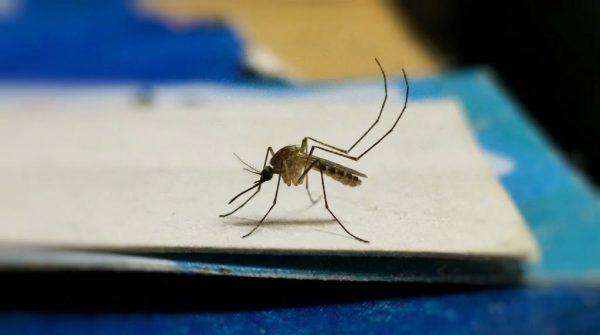
Florida is grappling with its most severe locally acquired dengue outbreak in nearly a century, prompting emergency declarations in three counties and urgent vector control operations across the Tampa Bay area. The state's mosquito population has triggered a public health crisis that officials say is unprecedented in modern memory.
According to data presented by the Centers for Disease Control and Prevention (CDC) on October 22, 2026, Florida has recorded 368 autochthonous cases across eight counties, along with 288 travel-related cases. Field inspectors have identified 20 mosquito pools testing positive for the virus, and 47% of infected local patients required hospitalization, including one confirmed death. This marks the most significant local dengue transmission cycle in state history.
Emergency declarations and vector control
In late September, local government commissions in Hillsborough, Pasco, and Pinellas counties approved emergency declarations to streamline response efforts. Pasco ratified its resolution on September 23, while Hillsborough and Pinellas followed on September 24. These measures unlocked emergency funding and expedited procurement for ground and aerial spraying operations, without imposing movement restrictions.
The emergency status has been extended through late October and into November, allowing authorities to coordinate with Lee County Mosquito Control for targeted aerial larvicide applications over critical zones in St. Petersburg and Clearwater. Environmental health teams have intensified door-to-door inspections and ultra-low volume barrier sprays in residential neighborhoods.
Public health entomologists confirm that Aedes aegypti and Aedes albopictus mosquitoes are breeding aggressively in artificial water containers, a common issue in urban areas. Residents are urged to eliminate standing water sources around their properties, as these are prime breeding grounds.
Dengue transmission patterns
The Tampa Bay metropolitan area has become the epicenter of the outbreak, with 456 confirmed cases across the three counties as of October 30. Hillsborough County leads with 385 cases, followed by Pinellas with 67 and Pasco with 4. Statewide, the total reached 485 local cases across 12 counties in the surveillance report covering October 18-24.
Health officials emphasize that the risk extends beyond Tampa Bay, as the mosquito species responsible are present throughout Florida. The state's warm climate and frequent rainfall create ideal conditions for mosquito proliferation, a challenge that has been exacerbated by recent weather patterns. For more on how climate is affecting Florida, see Florida's relentless rain.
Prevention and clinical guidance
Under the emergency declarations, public health officials have issued mandatory protection guidelines for all residents. These include using EPA-registered insect repellents containing DEET or picaridin, wearing loose long-sleeved shirts and pants, and draining standing water receptacles weekly. Residents must also grant access to vector control teams conducting inspections.
Clinical manifestations of dengue typically include high fever, headache, retro-orbital pain, muscle aches, nausea, vomiting, and a rash lasting 2 to 7 days. However, medical specialists warn that the critical phase of severe dengue often begins when the fever subsides, around day 7. Warning signs such as abdominal pain, persistent vomiting, or bleeding require immediate hospital evaluation.
CDC guidelines recommend hospital admission for patients showing these signs, and regional emergency rooms are maintaining active surveillance to provide timely fluid management. The outbreak has also drawn attention to the broader challenges of mosquito-borne diseases in the Americas, a topic of concern for Latino communities who often travel between the U.S. and Latin America. For insights on cross-border health issues, see this report on a San Diego tunnel.
As Florida continues to battle this historic outbreak, officials stress that community cooperation is essential. By eliminating breeding sites and following protective measures, residents can help reduce the spread of dengue and protect vulnerable populations.