Texas and Florida are once again at the center of America's urban expansion story. A new analysis from SmartAsset, based on Census Bureau and Bureau of Economic Analysis data, ranks the fastest-growing cities in the United States for 2026. The report focuses on three key indicators: real gross domestic product, housing construction, and job growth. For Latino families and professionals looking for opportunity, these numbers tell a clear story about where the country is heading.
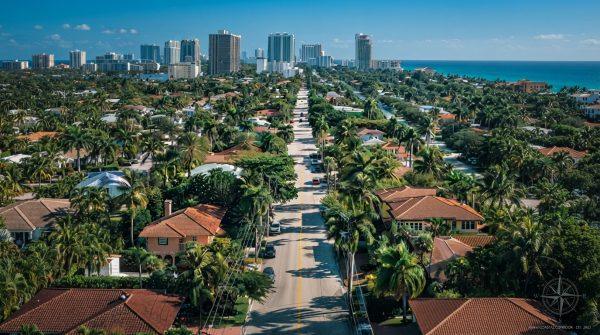
Among the standout cities are Georgetown and New Braunfels in Texas, both recording workforce and housing stock increases exceeding thirty percent. In Florida, Palm Coast, North Port, and Fort Myers are thriving thanks to a mix of job creation and competitive living costs. These aren't just statistics—they reflect real shifts in where people choose to build their lives. The post-pandemic migration toward southern states has only accelerated, and these cities are reaping the benefits.
What's Driving the Boom
The report identifies several factors behind this growth. Favorable tax policies in both Texas and Florida continue to attract businesses and residents. Land availability and institutional incentives also play a role, drawing investors and families seeking better opportunities. For Latinos, this is particularly relevant: many are moving to these areas for jobs in construction, healthcare, and services, as well as for affordable housing. The California exodus to Florida's Gulf Coast is a prime example of how migration patterns are reshaping local economies.
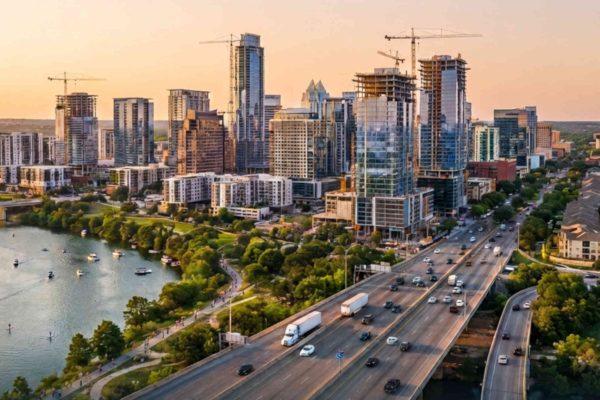
In Texas, cities like Prosper are seeing a surge in luxury living, with developments like crystal lagoons attracting buyers. Meanwhile, Prosper's growth reflects a broader trend: the combination of job opportunities and quality of life is drawing a diverse population, including many Latino families. The report notes that these cities are not just growing—they are redefining what it means to live in the Sun Belt.
Challenges and Opportunities
Rapid growth comes with its own set of challenges. Public planning, infrastructure, and basic service provision are under pressure as populations swell. For Latino communities, this can mean navigating changes in school enrollment policies or housing affordability. The tightening of open enrollment in Florida public schools is one example of how growth affects everyday life. Yet, the overall dynamism of these cities offers a model of prosperity that analysts and citizens alike are watching closely.
The report's methodology—measuring real GDP, housing units, and labor market evolution—provides a comprehensive view of urban health. It shows that the southern corridor, from Texas through Florida, is becoming the economic engine of the United States. For Latinos, this means more opportunities in construction, retail, and services, as well as a chance to build wealth through homeownership. The real estate fortunes of Latino stars in these states underscore the potential for investment and growth.
Ultimately, the cities highlighted in this report are not just boomtowns—they are communities where Latino culture and identity are taking root. From the food markets of Fort Myers to the music scenes of Austin's suburbs, the Latino presence is growing. As these cities continue to expand, they will shape the future of the American South, blending tradition with innovation in ways that reflect the bicultural experience of our audience.