On Tuesday, November 17, 2026, at 2:20 p.m. Eastern, television and radio stations across the United States will briefly interrupt their programming for a nationwide test of the Emergency Alert System (EAS). But if you're expecting your phone to buzz or blare with an alert, think again. This drill is strictly for broadcast channels—your mobile device will stay quiet.
The Federal Emergency Management Agency (FEMA) and the Federal Communications Commission (FCC) have scheduled this test to evaluate the readiness of the nation's broadcast infrastructure. For about one minute, you'll hear the familiar EAS tones and a test message, which will be delivered in both English and Spanish. After that, regular programming resumes as if nothing happened.
Federal officials are quick to clarify: this is not a sign of an impending emergency. It's a routine check, required by law to be conducted at least once every three years. The goal is to ensure that in a real crisis, authorities can reach households through television and radio, especially those that may not have internet or mobile connectivity.
Why phones are left out of this test
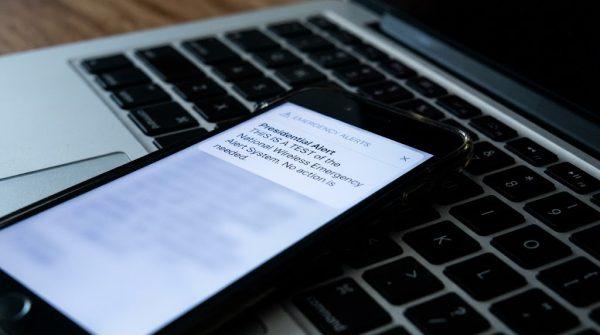
Unlike the nationwide test in 2023, which included Wireless Emergency Alerts (WEA) and caused phones to vibrate and sound alarms, this year's drill focuses solely on the legacy broadcast system. By excluding mobile devices, FEMA and the FCC can isolate and assess the performance of broadcast networks—cable, satellite, and over-the-air—without the added complexity of cellular carriers.
This approach also minimizes disruption for the public. You won't need to change your plans or take any action when you hear the test on TV or radio. The message will reference a technical coverage window between 2:20 and 2:50 p.m. ET, but the actual interruption will last only about a minute.
It's worth noting that real emergency alerts for tornadoes, floods, or other imminent threats will still be sent to phones during the test window. The system remains fully operational for genuine dangers.
For Latino communities, the bilingual nature of the test is a reminder of the importance of accessible emergency information. Spanish-speaking households can expect to hear the test message in their language, ensuring that critical alerts are understood by all.
Engineers will collect data from participating networks to identify any bottlenecks or technical issues. This is part of a broader effort to maintain a reliable warning system that can protect lives during catastrophic events. The FCC has set a backup date of December 3, 2026, in case severe weather or other major emergencies force a postponement.
As we've seen in recent years, from record coastal flooding to silent disease outbreaks, being prepared for emergencies is crucial. This test is a small but vital part of that preparedness.
So, on November 17, if you hear the alert on your television or radio, don't panic. It's just a drill—a necessary one to keep our broadcast systems sharp. And if your phone stays silent, that's exactly how it's supposed to be.