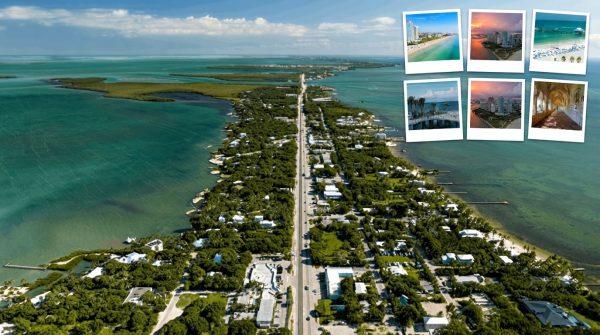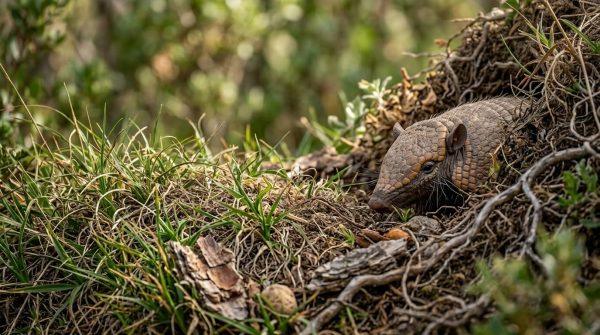
Florida is seeing a troubling increase in leprosy cases, a disease often associated with ancient texts but very much a modern concern. Health experts point to the nine-banded armadillo as the main culprit, as these creatures roam suburban neighborhoods across the Sunshine State, carrying Mycobacterium leprae in their burrows and soil.
The Centers for Disease Control and Prevention (CDC) has documented 17 confirmed cases in Florida this year alone, a steady rise that worries epidemiologists. Historically, the state recorded fewer infections annually, but the expanding armadillo population—now common from Tampa to Miami—has shifted the risk landscape. Researchers at the University of Florida have shown that the bacteria can survive in sandy soils for extended periods, especially where armadillos dig for insects and snails.
How leprosy spreads and why it matters for Latino communities
Leprosy, also known as Hansen's disease, is not highly contagious. It requires prolonged, direct contact with infected soil or animals. Most people who contract it in the U.S. actually pick it up abroad—in countries like Brazil, India, and Indonesia, where annual cases exceed 10,000. For Latino families in Florida, many with roots in Latin America, this connection is especially relevant. Brazil, for instance, reports thousands of new cases each year, and travel between Florida and Latin America is frequent.
Dr. Maria Santos, an infectious disease specialist at the University of Miami, explains: "The bacteria enter through breaks in the skin, often when people garden without gloves. Symptoms can take up to 20 years to appear, including skin lesions and nerve damage. But the good news is that antibiotic treatments are highly effective if started early."
Health authorities stress that the risk to the general public remains low—fewer than 250 cases occur nationwide each year. Still, they urge caution. The Florida Department of Health recommends wearing protective gloves when handling soil, washing hands thoroughly after gardening, and avoiding any direct contact with armadillos, whether alive or dead.
Another hidden risk: roadkill. Armadillos are frequently struck by vehicles on Florida's highways. Experts advise drivers to wash their cars thoroughly after any such impact, as bacteria can linger on tires and undercarriages. "It's a simple step that many overlook," says Dr. Santos. "But it can prevent accidental exposure."
For Latino families in Florida, this issue ties into broader community concerns. The state's growing Latino population has fueled a boom in suburban development, often in areas where armadillos thrive. As Texas and Florida lead US boomtowns with expanding Latino communities, the intersection of wildlife and residential life becomes more pronounced.
The biblical references to leprosy, found in Leviticus 13:1-2, describe skin ailments as a matter for priests, not doctors. Today, we know better. But the ancient stigma lingers. "Leprosy is curable, but fear and misinformation persist," says Dr. Santos. "Education is our best tool."
For now, Florida's health system is prepared. The state has ample supplies of antibiotics, and ongoing surveillance tracks armadillo migration northward. As Miami's cost of living surpasses New York, families are spending more time in their yards and gardens, making these precautions all the more timely.
In the end, the message is simple: respect wildlife, protect your hands, and stay informed. Leprosy may be ancient, but our response should be modern.